
Most small apartment upgrades focus on what you can add. New decor. New storage. New furniture.
But the upgrades that actually make a difference aren’t about adding more. They’re about changing how the space behaves. In a small apartment, everything is interconnected. A small shift in one area changes how the entire space feels. Because of this, the most effective upgrades aren’t the most obvious ones.
They’re the ones that quietly change how your apartment works, how it flows, and how it feels day to day.
If you’ve already worked through Small Apartment Storage Solutions That Actually Fix Daily Clutter, you’ve improved where things go. If you’ve implemented ideas from Small Apartment Organization Systems That Keep Your Home Effortlessly Clean, you’ve started reducing friction.
This is where you go next. These upgrades focus on how your apartment feels to live in, not just how it looks.
Shop This Post
This site contains affiliate links. I may earn a small commission, at no extra cost to you. Please view the disclosure for more information
If you’re making small changes as you read, these are the types of upgrades that shift your space immediately without requiring renovation.
Upgrading How Your Space Feels When You Walk In
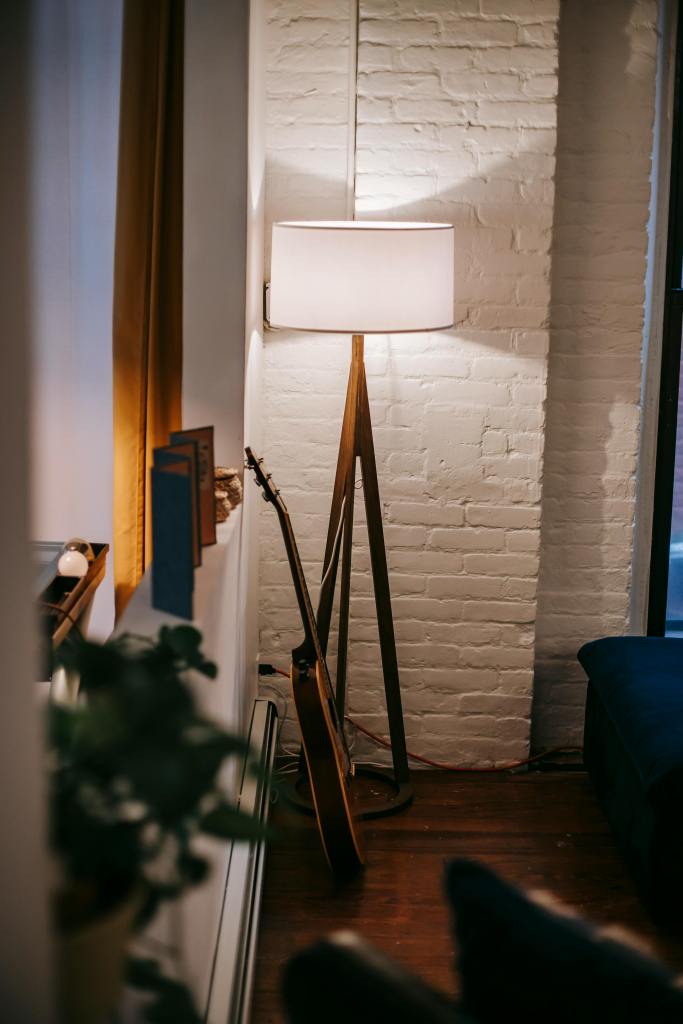
The first few seconds of entering your apartment shape how the entire space is perceived. This moment is often overlooked because it feels too small to matter, but in a small apartment, there’s no transition period. You step in, and you immediately experience the whole space.
If that first impression feels cluttered, undefined, or visually heavy, it affects how the rest of the apartment feels, even if everything else is well organized.
This is why subtle upgrades at the entry point have such a strong impact. It’s not about creating a formal entryway, it’s about creating clarity. When there’s a defined place for your eye to land, the space feels intentional right away. When there isn’t, everything feels slightly unsettled.
This aligns closely with No Entryway? Smart Drop Zone Ideas for Small Apartments, where the goal is to create function where none exists.
When the entrance feels resolved, the rest of the apartment follows.
Changing How Your Apartment Feels Throughout the Day
Most apartments feel exactly the same from morning to night. The lighting doesn’t change, the atmosphere stays flat, and the space doesn’t respond to how it’s being used.
This creates a disconnect because your environment should shift with your routine. In the morning, your space should feel brighter and more functional. In the evening, it should feel softer and more relaxed. When that shift doesn’t happen, the apartment feels static.
A lighting upgrade is one of the simplest ways to change this. A piece like the Lepro LED Floor Lamp with Adjustable Color Temperature allows you to adjust brightness and warmth depending on the time of day.

This small change has a major impact.
It allows the same space to support different activities without needing to rearrange anything. It makes your apartment feel more dynamic and more aligned with how you live. This concept connects with Apartment Outdoor Lighting Ideas, where lighting defines how a space is experienced rather than just illuminated.
When lighting adapts, your space feels more complete.
Reducing Micro-Clutter That Builds Up Invisibly
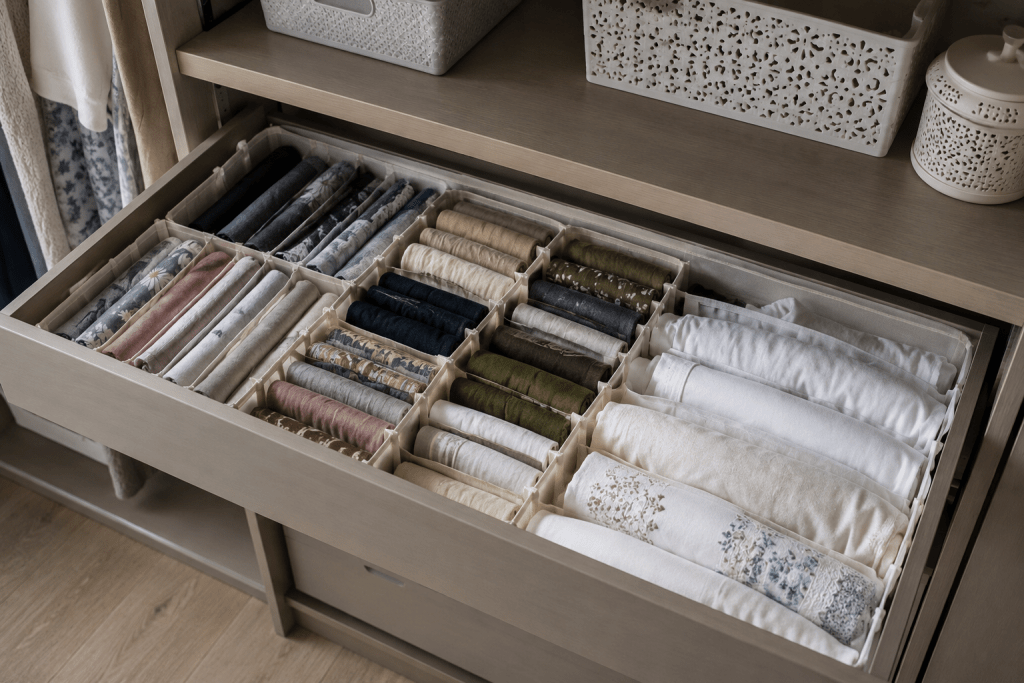
Not all clutter is obvious. Some of it builds slowly, in small ways that are easy to ignore but difficult to eliminate once they accumulate. Cables, small accessories, loose items on surfaces, these are things that don’t take up much space individually, but together they create constant visual noise.
This is micro-clutter. It doesn’t overwhelm the space physically, but it disrupts it visually. Reducing it isn’t about removing items, it’s about containing them.

This allows your apartment to stay functional while still looking clean. This principle ties directly into Small Apartment Storage Ideas That Don’t Look Cluttered, where visibility is managed without sacrificing usability.
When micro-clutter is controlled, the space feels noticeably calmer.
Creating Vertical Structure Without Making the Space Feel Smaller

Vertical space is often seen as the solution in small apartments, but it’s easy to misuse. Adding too much vertical storage can make the space feel compressed instead of open. The goal isn’t just to go upward, it’s to create balance.
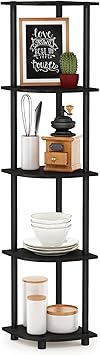
This is what makes the difference, it adds structure without adding weight.
This approach aligns with Small Living Room Storage Ideas That Don’t Look Cluttered, where the focus is on maintaining openness while still improving function.
When vertical elements feel balanced, the room feels larger instead of smaller.
Improving How Your Apartment Sounds
Sound is one of the least considered elements in small apartments, but it has a noticeable effect on how a space feels.
Hard surfaces reflect sound. In smaller spaces, this can create echo, sharpness, and a lack of warmth. Even if everything looks good, the apartment can feel less comfortable because of how it sounds.
Soft materials absorb sound, creating a quieter, calmer environment, which makes the space feel more finished.
A simple upgrade like the MIULEE Corduroy Throw Pillow Covers adds softness without adding clutter.

This changes both the visual and physical experience of the space. When sound is controlled, the apartment feels more comfortable overall.
Upgrading Movement Instead of Adding More
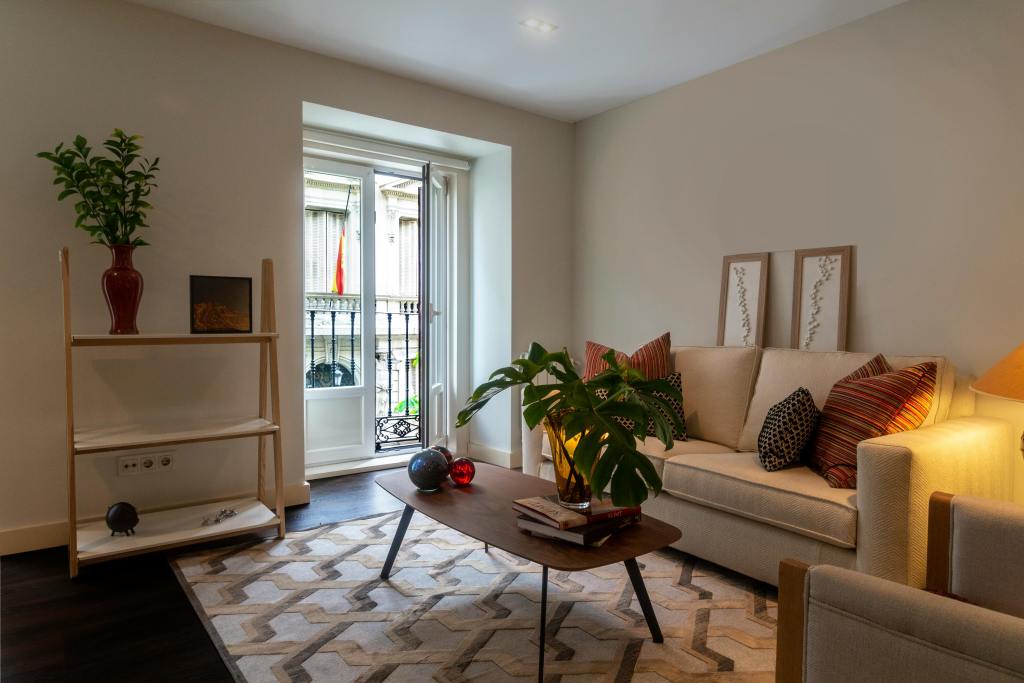
Not all upgrades involve adding something new. Some of the most effective changes come from adjusting how you move through your space.
If pathways feel tight, if furniture interrupts movement, or if certain areas feel awkward to use, the apartment feels harder to live in. Improving movement changes everything. Opening pathways, shifting furniture slightly, or redefining how areas are used can create more usable space instantly.
This idea connects with Studio Apartment Hacks – How to Make a Small Open Space Work for You, where movement defines functionality.
When your space is easier to move through, it automatically feels more organized.
Why Your Apartment Still Feels “Off” Even After Upgrades

One of the most frustrating parts of improving a small apartment is that sometimes, even after making changes, the space still doesn’t feel right. It looks better, it’s more organized, it may even be cleaner than before, but something still feels slightly off.
This usually happens because the upgrades don’t connect to each other. Each change improves a small part of the space, but if those improvements don’t relate, the overall environment still feels incomplete. It becomes a collection of better pieces instead of a cohesive space.
In small apartments, this is more noticeable. There’s no separation between rooms, so everything exists together visually. When elements don’t connect, the entire space reflects that disconnect.
Fixing this isn’t about adding more upgrades, it’s about making sure the upgrades you already have work together.
This is where cohesion becomes more important than improvement. When everything aligns, even subtly, the space feels finished.
The “Middle Layer” Most Apartments Are Missing
Most small apartments tend to operate in two layers. There’s the functional layer, which includes your furniture, storage, and layout, the elements that make the space usable day to day. Then there’s the decorative layer, made up of textiles, decor, and personal items that add personality and warmth. Even when both layers are present, something can still feel slightly off. That’s because what’s often missing is the connection between them.
This is where the middle layer comes in.
The middle layer isn’t something you always notice right away. It doesn’t stand out the way furniture or decor does. Instead, it works quietly in the background, linking everything together so the space feels cohesive rather than separate. Without it, a space can feel either too minimal or slightly unfinished. Everything is technically there, but it doesn’t feel integrated.
The middle layer is created through subtle structure, consistent materials, visual grounding, and the transitions between different elements in the space. These details aren’t always obvious on their own, but together they shape how the apartment feels as a whole.
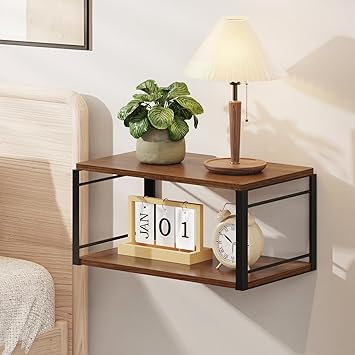
For example, a piece like the VASAGLE Industrial Wall Shelf introduces both structure and continuity. It isn’t purely functional, and it isn’t purely decorative. Instead, it sits between those two roles, helping connect them.
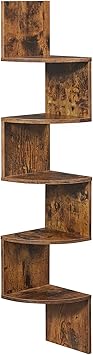
That’s what creates cohesion, and when that connection is in place, the space stops feeling like a collection of individual pieces and starts feeling complete.
Why Flat Spaces Feel Less Put Together

Flat spaces are one of the biggest reasons apartments feel unfinished. This doesn’t refer to physical layout, it refers to visual depth. When everything sits on the same plane, the space lacks dimension. Even if it’s clean and organized, it feels slightly lifeless.
Depth changes that. It comes from layering, variation in height, and the interaction between elements. When some items sit forward and others recede, the space feels more dynamic. It creates contrast, which gives the apartment a sense of structure.
This doesn’t require adding more items, it requires adjusting how they’re arranged. Even small changes in height, spacing, or layering can create a noticeable difference. When depth is present, the apartment feels more intentional.
The Effect of Repeating Mistakes in Small Spaces
In larger homes, small mistakes are isolated but in small apartments, they often repeat. A slightly cluttered surface doesn’t stay contained, it’s visible from multiple angles. A small imbalance in one area affects the entire space.
This repetition amplifies problems and it also amplifies improvements. This is why small upgrades can feel so powerful in small apartments. Fixing one repeated issue, like cluttered surfaces or poor lighting, has a ripple effect across the entire space.
This is the same reason systems from Small Apartment Organization Systems That Keep Your Home Effortlessly Clean are so effective.
They don’t just fix one area, they improve how the entire apartment functions.
Why Some Upgrades Feel Temporary

Some upgrades look good immediately but don’t last. They improve the space at first, but over time, they stop making a difference. This usually happens when the upgrade doesn’t align with how the space is used.
If something requires maintenance, adjustment, or extra effort, it eventually stops being effective. In small apartments, sustainable upgrades matter more. The best upgrades don’t just look good, they continue working over time. They integrate into your routine instead of interrupting it.
This is what makes the difference between a temporary improvement and a lasting one.
The Subtle Role of Symmetry in Feeling “Put Together”
Symmetry is one of the simplest ways to create order and it doesn’t need to be perfect or obvious. Even small moments of balance, matching heights, centered objects, or evenly spaced items, create a sense of stability.
In small apartments, this matters more, because everything is visible, even slight imbalances can make the space feel off. Symmetry reduces that tension and makes the space feel intentional without requiring more items. It’s one of the easiest upgrades to implement, but also one of the most effective.
How Small Visual Interruptions Break the Entire Space

One of the most overlooked reasons a small apartment doesn’t feel put together is the presence of visual interruptions. These are small inconsistencies that don’t stand out individually, but collectively disrupt the space.
They show up in subtle ways. A cord that cuts across a clean surface, a slightly misaligned object, a storage piece that doesn’t match the rest of the room, or a shift in material that feels unrelated to everything around it. Individually, none of these feel like a major issue, but in a small apartment, everything is visible at once.
That means these interruptions don’t stay isolated. They repeat across the space, creating a sense of inconsistency that makes the apartment feel unfinished. This is why a space can be clean and still feel off. The issue isn’t clutter, it’s disruption.
Fixing this doesn’t require removing everything. It requires reducing the number of elements that visually interrupt the space. That could mean consolidating visible items, aligning materials more closely, or simplifying areas that feel slightly chaotic.

When interruptions are minimized, the space starts to feel smoother, and when the space feels smooth, it feels complete.
Why “Almost Organized” Feels More Frustrating Than Clutter
There’s a specific point in small apartment organization where things look better, but don’t feel better. This is the “almost organized” stage. At this point, your space isn’t messy, it’s just partially structured. Some systems are working, others aren’t fully developed, certain areas feel finished, while others still feel slightly unresolved. This is often the most frustrating stage.
Because visually, the apartment looks like it should feel complete, but it doesn’t. This happens when systems aren’t fully connected. One area might be organized, but the surrounding areas don’t support it. Storage might exist, but it doesn’t align with how you actually use the space. Upgrades might be in place, but they don’t reinforce each other.
In small apartments, everything needs to work together because partial systems create friction. For example, if your surfaces are clean but your storage isn’t intuitive, clutter returns. If your lighting is improved but your layout doesn’t support it, the space still feels off.
This is why finishing matters more than starting. A complete system doesn’t leave gaps, it ensures that every improvement supports the next. When you move from “almost organized” to fully resolved, the difference is immediate.
The space stops feeling like something you’re working on and it starts feeling like something that works.
Shop This Post
This site contains affiliate links. I may earn a small commission, at no extra cost to you. Please view the disclosure for more information
If your goal is to upgrade your apartment in a way that actually changes how it feels, focus on pieces that improve flow, lighting, and structure.
- A wall-mounted piece like the HOMFA Floating Nightstand Wall Shelf frees up space while adding structure where it matters.
- For adaptable lighting, the Lepro LED Floor Lamp with Adjustable Color Temperature allows your apartment to shift throughout the day.
- To reduce micro-clutter, the madesmart Large Drawer Bin with Dividers keeps smaller items contained.
- For vertical structure that stays visually light, the Furinno Turn-N-Tube 5 Tier Corner Shelf adds height without closing in the space.
- And for a softer, more comfortable environment, the MIULEE Corduroy Throw Pillow Covers improves both feel and atmosphere.

Conclusion
The upgrades that make the biggest difference in a small apartment aren’t always the most visible. They’re the ones that change how the space feels over time.
When your apartment supports how you move, adapts to your routine, and reduces visual noise, it becomes easier to live in.
It feels calmer, more structured, more complete and that’s what makes an upgrade meaningful.
When you combine these changes with systems from:
- Small Apartment Storage Solutions That Actually Fix Daily Clutter
- Small Apartment Organization Systems That Keep Your Home Effortlessly Clean
- Where to Put Everything in a Small Apartment (Room-by-Room Guide)
Your apartment stops feeling like something you’re constantly adjusting and it becomes something that works with you.
Leave a Reply