This site contains affiliate links. I may earn a small commission, at no extra cost to you. Please view the disclosure for more information.
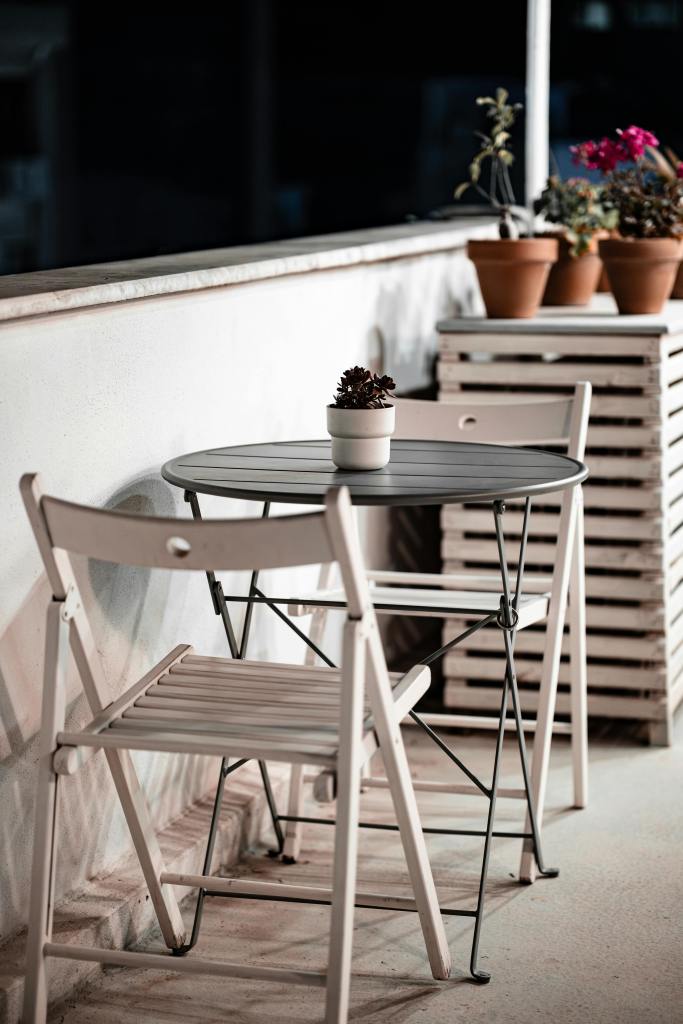
A small balcony has a way of quietly slipping out of use, at least that’s what happened in my case. At first, I thought of it as extra space, I’d “figure out later.” Then it slowly turned into the place where things landed temporarily. A chair I didn’t want inside, a box I’d deal with eventually, nothing major, just small things stacking up over time.
And then one day I realized I hadn’t actually used the space in weeks and that was the turning point for me. Not because I suddenly wanted a perfectly styled balcony, but because I wanted the space to feel usable again. I wanted it to feel like part of my home instead of an afterthought. That’s what led me into minimalist balcony decor ideas. Not as a design trend, but as a way to simplify the space enough that I would actually spend time out there again.
Minimalism didn’t mean removing everything. It meant paying attention to what was actually helping the space and what was quietly making it feel harder to use. Once I started looking at it that way, even a small balcony started to feel completely different. It wasn’t about making it look better. It was about making it feel easier.
If you’ve already worked through your layout in your balcony and outdoor space ideas post, this is really where things start to shift. It’s not about adding more. It’s about refining what’s already there until the space finally feels calm again.
Why Minimalism Works Better on Balconies Than Anywhere Else

Balconies are a lot less forgiving than indoor spaces. Inside, you can hide things. You can move something into another room, close a drawer, or shift things around just enough that the clutter isn’t as obvious.
A balcony doesn’t give you that option. Everything is out in the open all the time, and because of that, even small amounts of clutter feel bigger than they actually are.
What surprised me the most was how much light changes everything. Throughout the day, the same objects can look completely different depending on how the light hits them. Something that feels fine in the morning can suddenly feel overwhelming in the afternoon just because shadows shift and certain items stand out more.
That’s when I started to understand why minimalism works so well. It’s not just about having fewer things. It’s about reducing how much your eyes have to process every time you look at the space.
When there are fewer items, the space feels more stable. It doesn’t constantly shift between feeling calm and feeling cluttered depending on the time of day. That consistency is what makes it feel peaceful.
And honestly, once I noticed that, I started seeing the same pattern inside my apartment too, especially in my small apartment living room ideas that make your space feel bigger. The less visual noise there is, the easier it is to relax in the space.
Shifting From Decorating to Editing
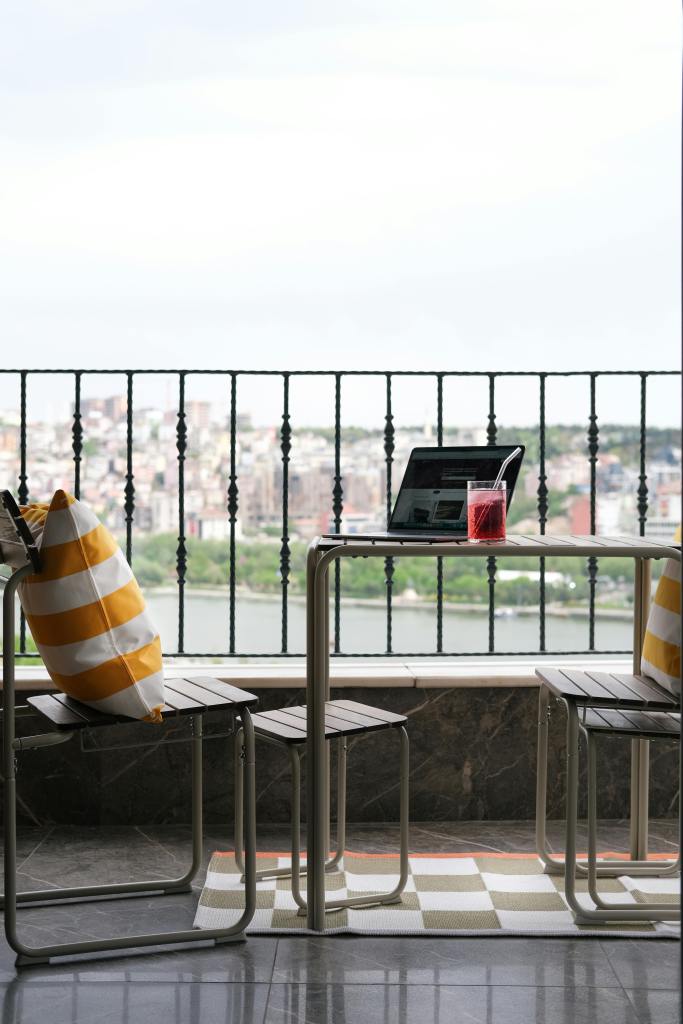
This was probably the biggest mindset shift for me. I used to think I needed to “finish” the balcony. Like there was some version of it I was supposed to create with the right furniture, the right decor, the right setup.
But the more I added, the less I actually wanted to be out there. It started to feel like I was managing the space instead of using it. That’s when I stopped trying to decorate it and started editing it instea.
Editing felt completely different. It wasn’t about adding anything new. It was about removing what didn’t make sense anymore. Some things were easy to let go of while others took a second look. But once they were gone, the space immediately felt lighter.
And not empty in a bad way but in a clear way. What I didn’t expect was how much easier it made everything afterward. When there are fewer items, there’s less to adjust, less to clean and less to move around.
The space kind of takes care of itself and that’s what made it feel usable again.
It’s the same thing I noticed when working through my small apartment decluttering tips that actually work. Once the excess is gone, the space naturally stays more manageable without constant effort.
Creating a Balcony That Feels Like a Place, Not a Storage Zone
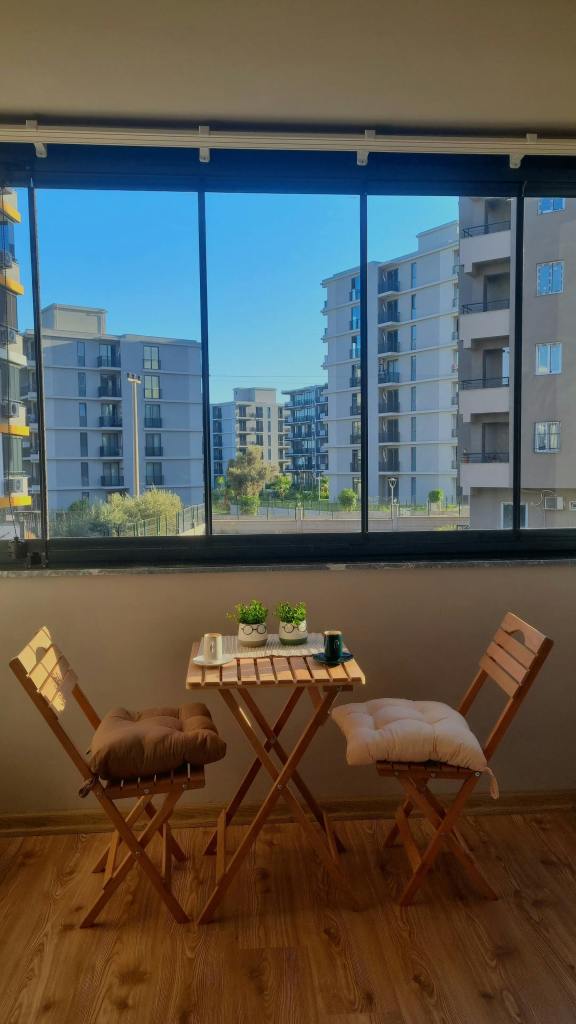
There’s a subtle point where a balcony stops feeling like part of your home and starts feeling like overflow space.
For me, it wasn’t one big moment. It was small things over time. Something would end up out there “just for now,” and then it would stay. Then something else would join it. And eventually, the space didn’t feel intentional anymore.
It felt temporary, and temporary spaces are the ones we avoid. So instead of trying to fix it all at once, I focused on making it feel like a cozy place again. Not perfect, just an intentional space.
One of the easiest ways I did that was by giving myself a reason to actually be out there. A simple seating option made a bigger difference than anything decorative ever did.
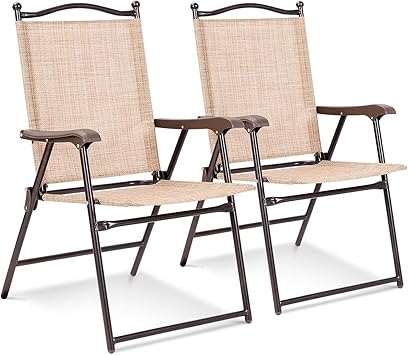
I chose something flexible like the Giantex Folding Patio Chair Set because I didn’t want to commit to anything bulky. I wanted the option to move it, fold it, or even clear the space completely if I needed to.
That one change shifted everything. The balcony stopped feeling like a place I avoided and started feeling like somewhere I could actually sit for a few minutes.
Letting Open Space Become Part of the Design

This was the part that felt the most uncomfortable at first. Leaving space empty goes against how we usually think about decorating. It can feel unfinished, like something is missing.
But over time, I realized that the moments when the balcony felt the best were the moments when it wasn’t full.
When there was space between things, everything felt easier. It wasn’t just visual. It was physical too. I could move around without adjusting things. I didn’t feel like I had to be careful about where I stepped or what I touched.
Open space started to feel intentional instead of incomplete, and once I got used to that, I stopped trying to fill it.
I also noticed how quickly the space would start to feel off again if I added just one or two unnecessary things. It didn’t take much to shift the balance.
That’s when I started protecting the open space instead of treating it like something temporary.
I’ve seen the same thing happen in smaller indoor areas too, especially in my tiny apartment entryway and hallway organization. The more space you leave, the better everything works.
Choosing Decor That Doesn’t Compete With the Space

I used to bring things onto the balcony because I liked them, without thinking about how they interacted with everything else. Some pieces were just too much for the space. They were too detailed, too heavy and too visually loud.
Now I look for things that don’t demand attention unless I’m actually using them.

Something simple like the VASAGLE Narrow Console Table works well because it blends in. It’s there when I need it, but it doesn’t pull focus when I don’t.
That’s become a general rule for me. If something stands out too much, it usually doesn’t belong in a small space.
Creating Visual Consistency Without Overthinking It
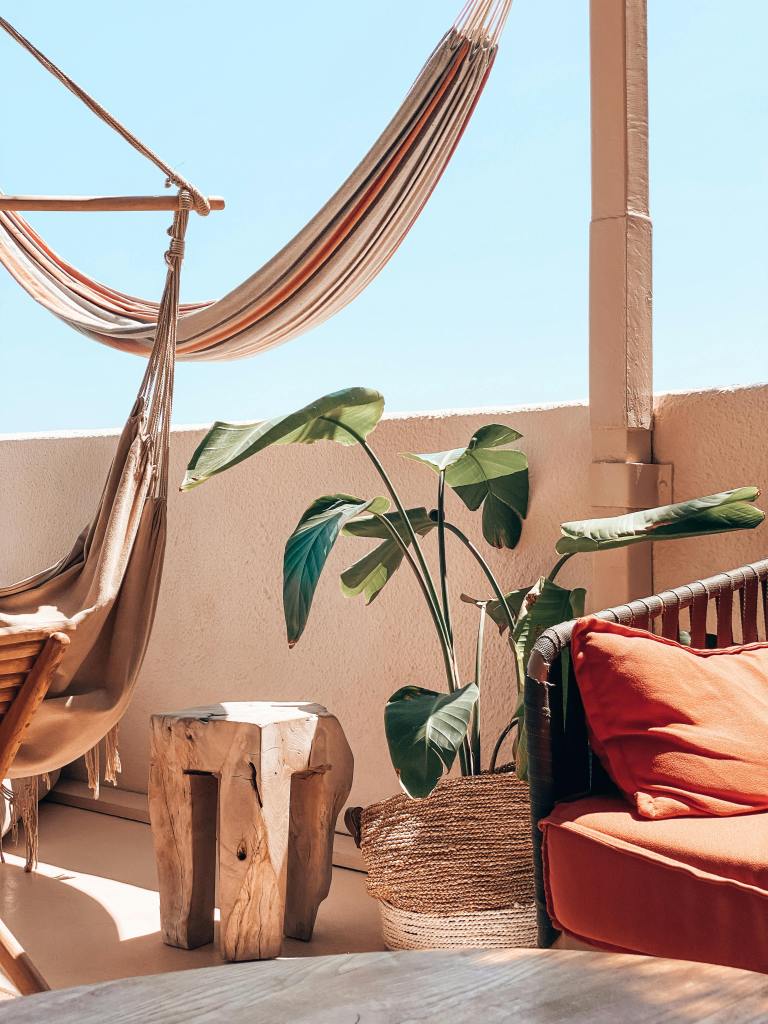
I used to spend way too much time trying to match everything. Now I don’t think about it that way anymore.
It’s less about matching and more about not introducing too many competing elements. When everything feels like it belongs in the same general style, the space naturally feels more put together.
It doesn’t need to be perfect. It just needs to make sense.
Using Fewer Pieces With More Purpose
There was a point where I realized I was adding things just to make the space feel “complete.” But it never really worked and tt just made the balcony feel more crowded.
Now I think about each piece differently. If it’s not something I use or something that noticeably improves the space, it doesn’t stay.
That shift made everything feel more intentional without requiring more effort.
Using Texture to Add Warmth Without Clutter
I didn’t want the balcony to feel empty or cold, but I also didn’t want to go back to adding more objects just to make it feel finished.

Texture ended up being the balance I needed. Something simple like the Exclusivo Mezcla Outdoor Blanket adds just enough warmth without changing the structure of the space.
It doesn’t add clutter. It just makes the space feel more comfortable, and because it’s easy to move or store, it doesn’t create long-term buildup.
Letting Light Shape the Space
This is something I didn’t plan for, but it ended up being one of the biggest factors. When the space isn’t crowded, light moves differently. Your space feels softer and more open.
What I started noticing over time was how much less effort it took for the balcony to feel “right” once there was less in it. During the day, natural light wasn’t being blocked or broken up by too many objects. It just moved across the space without interruption, and that alone made everything feel calmer.
There’s a difference between a space that feels lit and a space that feels clear.
When there are fewer items, light doesn’t have to fight its way through the layout. It reflects off surfaces more naturally. It fills the space instead of getting caught between things. Even on days when the lighting isn’t perfect, the space still feels balanced.
I didn’t realize how much visual weight lighting can carry until there was nothing competing with it.

I didn’t need multiple layers of lighting or anything complicated. Just something simple that made the space feel usable at night without turning it into a different environment.
That simplicity is what made it work. It still feels like the same space, just softer. More settled. Like an extension of the day instead of a completely separate setup.
Designing for Stillness, Not Just Function
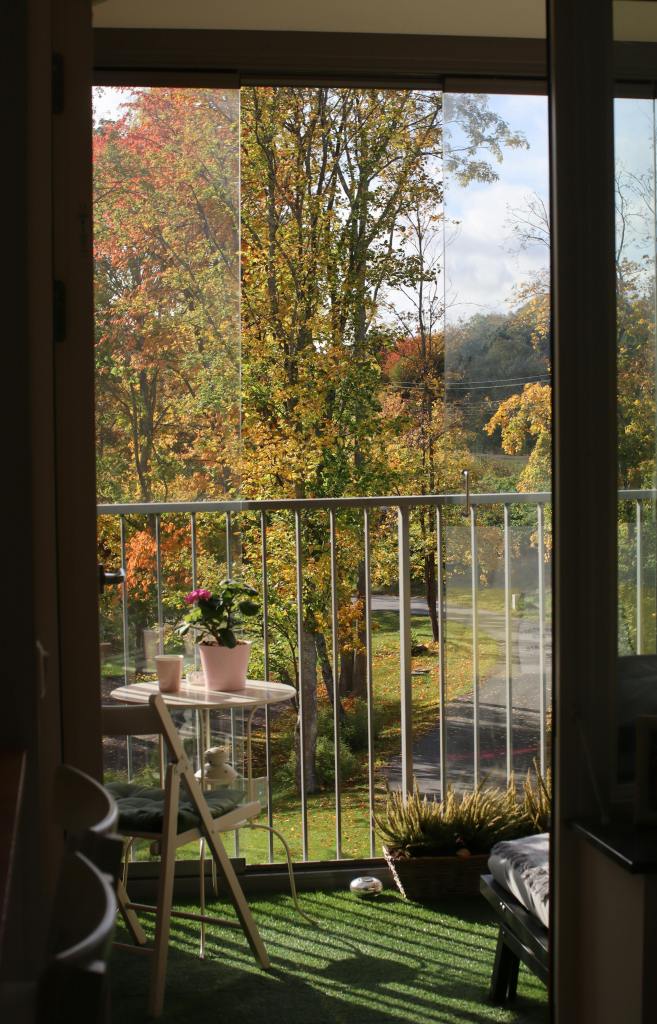
What I notice now is how quiet the space feels. Not literally quiet, but visually quiet.
There’s nothing pulling my attention in different directions, and because of that, I actually sit out there more. Not because I planned to, but because it feels easy to.
Before, even when the balcony was technically usable, it didn’t feel restful. There was always something slightly off. Something that needed to be moved or adjusted. Something that made the space feel busy even when I wasn’t doing anything.
Now that feeling is gone, and the space doesn’t ask anything from me. I can step out there without thinking about how it looks or what needs to be fixed. And that’s what makes it feel different from before. It’s not just functional. It’s calm in a way that doesn’t require effort.
That stillness is what makes a small space feel bigger not physically, but mentally.
When your eyes aren’t constantly moving from one thing to another, the space feels more open. It gives you room to pause instead of keeping you slightly on edge.
I didn’t expect that to matter as much as it does, but it’s probably the biggest reason I use the balcony now without even thinking about it.
Avoiding the Need to Constantly Adjust the Space
Before, I was always moving things around, trying to make it look right and trying to make the space feel finished. It was never a big adjustment, just small ones. Straightening something, shifting something slightly, or moving things out of the way so I could sit down comfortably.
But over time, that constant need to adjust the space made it feel less usable. Even if it only took a minute, it added friction. Now I don’t really touch it unless something actually needs to change. That alone made a huge difference.
The space holds its shape on its own. Nothing feels like it’s in the way. Nothing needs to be repositioned just to use the area. I can step out, sit down, and relax without having to doing anything first.
That might sound small, but it completely changes how often the space gets used. If a space requires constant effort, even small effort, it becomes something you avoid without realizing it. If it just stays usable, it becomes something you naturally return to.
And that shift doesn’t come from adding more. It comes from removing what makes the space harder to use in the first place.
Letting the Balcony Evolve Naturally
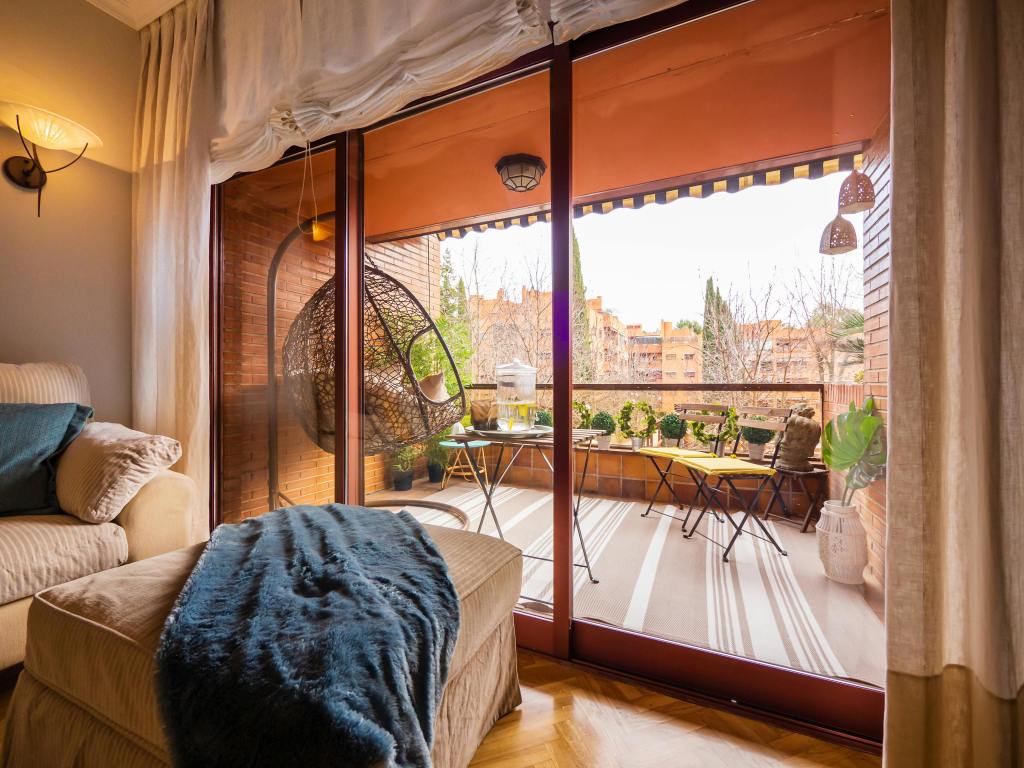
I don’t think of it as a finished space anymore. It changes slowly depending on how I use it.
That was another mindset shift I didn’t expect. Before, I thought there was some “final version” of the balcony I needed to reach. Like once I had the right pieces in place, it would be done.
But that approach is what kept leading back to clutter.
Now it feels more flexible. If something stops working, I notice it faster. If I use the space differently over time, the setup adjusts with it. But those changes are small and intentional instead of constant and reactive.
Because the foundation is simple, it never really falls back into that overloaded feeling. Even when something new is added, it’s obvious whether it fits or not. That makes it easier to maintain without needing strict rules.
It just naturally stays balanced and that’s what makes it feel stable without feeling rigid.
Connecting Your Balcony to the Rest of Your Apartment
Once I simplified the balcony, I started noticing how disconnected it had felt before.
It used to feel like a separate area that didn’t really belong to the rest of the apartment. Almost like an extra space that didn’t follow the same logic as everything inside.
Now it feels like part of the home. Not because it matches perfectly, but because it follows the same approach. The same simplicity, the same restraint and the same focus on keeping things easy to use instead of filled. That shift made the whole apartment feel more cohesive.
I started noticing how one space affects another. When the balcony felt cluttered, it made everything else feel slightly off too. When it became calmer, that feeling carried inside.
It’s not something I would have expected, but it makes sense looking back. When every space follows a similar approach, nothing feels out of place. And in a small apartment, that consistency matters more than anything else.
It’s what makes everything feel connected instead of separate.
Conclusion
Minimalist balcony decor ideas aren’t really about design for me anymore. They’re about making a small space usable again.
Once I stopped trying to fill the space and started paying attention to what actually made sense to keep there, everything shifted. The balcony stopped feeling like something I needed to manage and started feeling like something I could just use without thinking about it. That change didn’t stay limited to the balcony either. It started to carry over into the rest of my apartment in a way I didn’t expect.
I began noticing the same patterns in other areas, especially in my small apartment living room ideas that make your space feel larger where removing visual clutter made the entire space feel calmer without adding anything new. The same thing showed up again when I worked through my small apartment decluttering tips that actually work, where simplifying the environment made everything easier to maintain long term.
Even smaller transition spaces started to feel different. My tiny apartment entryway and hallway organization improved once I stopped trying to fill every available spot and instead focused on keeping the space open and usable.
What I realized over time is that none of these areas really work in isolation.
Your balcony, your living room, your entryway, your storage systems, they all affect each other. When one space feels cluttered or difficult to use, it tends to spill into everything else. When one space becomes simpler and easier, that shift spreads too.
If you’re continuing to refine your apartment, it helps to think of it as a system instead of separate projects.
Your balcony connects naturally with your balcony and outdoor space ideas for small apartments, especially when you’re thinking about layout and function. It also ties into your space-saving products for small apartments that actually work, where choosing the right pieces makes a noticeable difference without adding more clutter.
Over time, these small changes build on each other and that’s really the point.
Not to create a perfect space, but to create one that feels calm enough, simple enough, and easy enough that you actually want to use it. Because once that happens, the size of the space stops mattering as much.
FAQ
How do I decorate a small balcony in a minimalist way?
Start by removing anything you don’t actually use. Then build slowly with only what supports how you want to spend time there. The goal isn’t decoration, it’s usability with minimal visual clutter.
What makes a small balcony feel calm?
A calm balcony comes from simplicity and lack of visual noise. When the space isn’t overloaded, your mind doesn’t feel overstimulated, which makes it easier to relax there.
Can a minimalist balcony still feel cozy?
Yes, because comfort doesn’t come from quantity. It comes from texture, lighting, and how the space is used. A few intentional pieces can make it feel warm without cluttering it.
How do I keep my balcony from becoming cluttered again?
The key is not letting it become a storage extension of your apartment. If something doesn’t have a clear purpose in that space, it shouldn’t stay there long-term.
What furniture works best for a small balcony?
Lightweight, flexible furniture works best for small balconies. You want to select pieces you can easily move or fold up to put away. Anything too bulky or permanent tends to make the space feel smaller over time.
Leave a Reply