This site contains affiliate links. I may earn a small commission, at no extra cost to you. Please view the disclosure for more information.
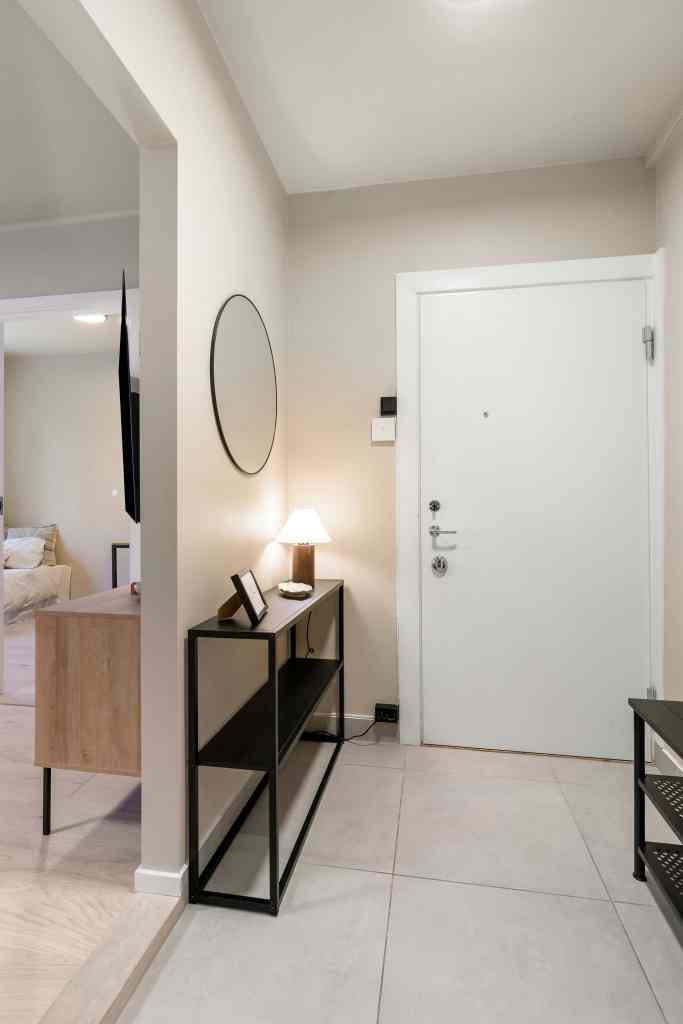
Make Your Small Entryway Feel Bigger, Cleaner, and More Functional
In a small apartment, the entryway and hallway are often overlooked. They’re treated as transitional spaces rather than functional ones, which is exactly why they tend to become cluttered so quickly.
But in reality, this area has one of the biggest impacts on how your entire home feels.
It’s the first thing you see when you walk in. It sets the tone. And if it feels chaotic, the rest of your space immediately feels the same.
What makes entryways especially challenging in small apartments is that they’re rarely designed with storage in mind. They’re often narrow, awkwardly shaped, and lack built-in functionality. There’s no clear place for everyday items, so things start to accumulate wherever there’s space.
Shoes end up by the door. Bags get dropped on the floor. Keys and mail get scattered across surfaces.
Over time, that small area starts to affect the entire apartment.
But the solution isn’t adding more storage or trying to fit in bulky furniture. It’s about designing the space in a way that supports how you actually live.
When your entryway works, everything else feels easier.
1. Create a “Drop Zone” That Prevents Clutter from Spreading
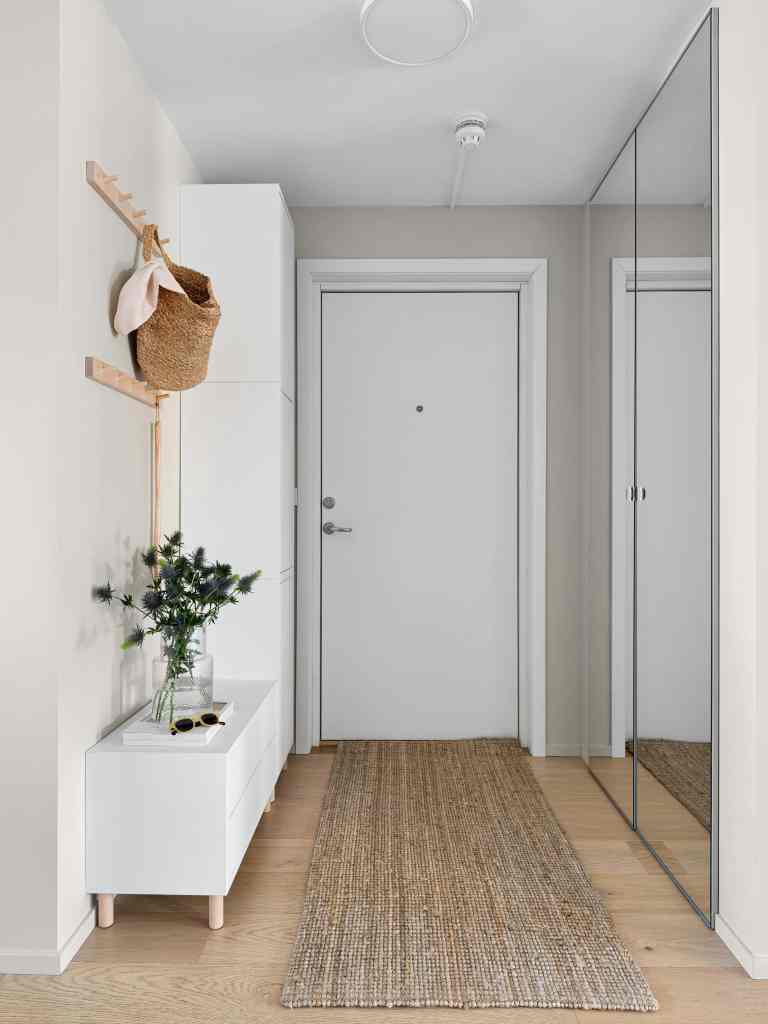
One of the biggest causes of entryway clutter is lack of a designated place for everyday items. Keys, wallets, bags, The biggest shift happens when you stop thinking of the entryway as just a pass-through and start treating it as a system.
Every time you walk into your apartment, there’s a pattern. You put something down, take something off, or move through the space in a specific way. When that pattern doesn’t have structure, clutter builds automatically.
Creating a designated landing space changes that.
Instead of items being dropped randomly, they have a clear place to go the moment you walk in. Keys land in the same spot every time. Your bag has a place. Shoes are handled immediately instead of being left out.
This doesn’t require a large setup.
A simple surface paired with a few intentional elements is enough to create structure. A small tray can hold everyday essentials without spreading them across the space. Wall hooks can keep bags and jackets off the floor without taking up any room.
What matters most isn’t how much you add, but how clearly the system works.
When everything has a defined place, clutter stops at the door instead of spreading through your apartment.

A great option is these Wall Hooks, which combines function and design while keeping everyday items off the floor.
2. Define the Entryway Visually (Even If It’s Tiny)

One of the most overlooked reasons entryways feel messy is that they’re visually undefined. In many apartments, the front door opens directly into a hallway or living space. There’s no clear boundary that separates the entryway from the rest of the home.
When a space doesn’t feel defined, it doesn’t function like a dedicated area. Items begin to drift. Shoes move further into the room. Bags end up on chairs. Mail gets placed wherever there’s space.
Creating even a subtle visual boundary can completely change how the space behaves.
A rug is one of the simplest ways to do this. It signals where the entryway begins and ends without requiring additional furniture. It creates a contained area that naturally encourages everything to stay within it.
Keeping materials and colors consistent also plays a role.
When the entryway feels cohesive with the rest of the apartment, it looks intentional instead of like an afterthought. Neutral tones and simple materials help maintain a clean, uncluttered feel.
Even small adjustments in layout can reinforce this boundary.
Aligning furniture and decor within a specific area creates a visual “zone” that separates the entryway from surrounding spaces. This makes the apartment feel more structured without losing openness.
Use a rug to anchor the space

One of the simplest ways to make a small entryway feel intentional is by anchoring it visually, and a rug is one of the most effective tools for doing that.
In many apartments, the entryway isn’t a separate room. It’s often just a small stretch of floor that blends directly into a hallway or living area. Without any kind of visual boundary, the space feels undefined, and when a space feels undefined, it doesn’t function properly.
Items begin to spread without structure. Shoes drift beyond the door. Bags get placed wherever there’s room. The area starts to feel like part of everything instead of its own space.
A rug changes that immediately.
It creates a clear starting point. The moment you step inside, there’s a visual signal that this area has a purpose. It subtly tells you, “this is where things belong,” which helps contain clutter without needing additional furniture or dividers.
What makes this especially effective in small apartments is that it doesn’t take up any extra space. You’re not adding bulk, you’re defining what’s already there.
The size and style of the rug matter more than people realize.
A rug that’s too small can make the space feel fragmented, while one that’s too bold or dark can visually shrink the area. A low-profile rug in a light or neutral tone works best because it keeps the space feeling open while still adding warmth and structure. Placement also plays a role.
When the rug is aligned with the natural shape of your entryway, whether that’s a narrow hallway or a small corner, it reinforces the layout and helps everything feel more cohesive. It creates a contained zone that naturally encourages everything to stay within it.
Over time, this small visual boundary starts to influence behavior.
Shoes stay within the area instead of spreading outward. Items feel like they belong to a specific place rather than floating through the apartment. The space begins to maintain itself because it feels defined.
In a small entryway, that sense of structure makes a bigger difference than adding more storage ever could.
Keep materials and colors consistent
Another detail that makes a noticeable difference in a small entryway is how cohesive the space feels.
When too many colors, finishes, or materials compete with each other, the area can quickly start to feel busy, even if there aren’t that many items. In a narrow or compact space, that visual noise becomes much more noticeable.
Keeping your materials and color palette consistent helps eliminate that problem.
When similar tones and finishes are repeated, whether it’s warm wood, soft neutrals, or simple metal accents, the space feels connected instead of scattered. Your eye moves through the area more easily, which naturally makes it feel calmer and more organized.
This doesn’t mean everything has to match perfectly. It’s more about creating a sense of continuity. When elements relate to each other visually, the space feels intentional rather than pieced together.
In small apartments especially, that cohesion can make the difference between a space that feels cluttered and one that feels controlled.
Avoid letting the space spill over

That same sense of structure can be reinforced through layout. Even without walls or architectural separation, you can create a clear boundary just by how you arrange the space.
When key elements, like a rug, a console surface, and a few functional pieces, are grouped together in one area, they naturally form a defined zone. This creates a visual “line” that separates the entryway from the rest of your home.
Instead of the space feeling like it blends into everything else, it begins to feel purposeful. This kind of layout doesn’t require extra square footage. It works by organizing what’s already there in a more intentional way.
When everything is aligned and contained within a specific section, the space becomes easier to use and easier to maintain.
Small space, strong impact
One of the most common reasons entryways lose that sense of structure is because items begin to spread beyond their intended area.
At first, it’s subtle. A pair of shoes sits just outside the entry zone. A bag gets placed slightly further into the room. Over time, that boundary disappears, and the entire space starts to feel cluttered.
Keeping the entryway contained is what allows it to function properly. When items stay within their designated area, clutter is easier to control. The rest of your apartment stays separate, which helps maintain a sense of order throughout the space.
This is where small, consistent habits make a difference.
Resetting the area regularly, even in simple ways, reinforces the boundary you’ve created. It keeps the space from gradually expanding into areas where it doesn’t belong.
A defined entryway only works when its limits are maintained.
Why this works so well in small apartments
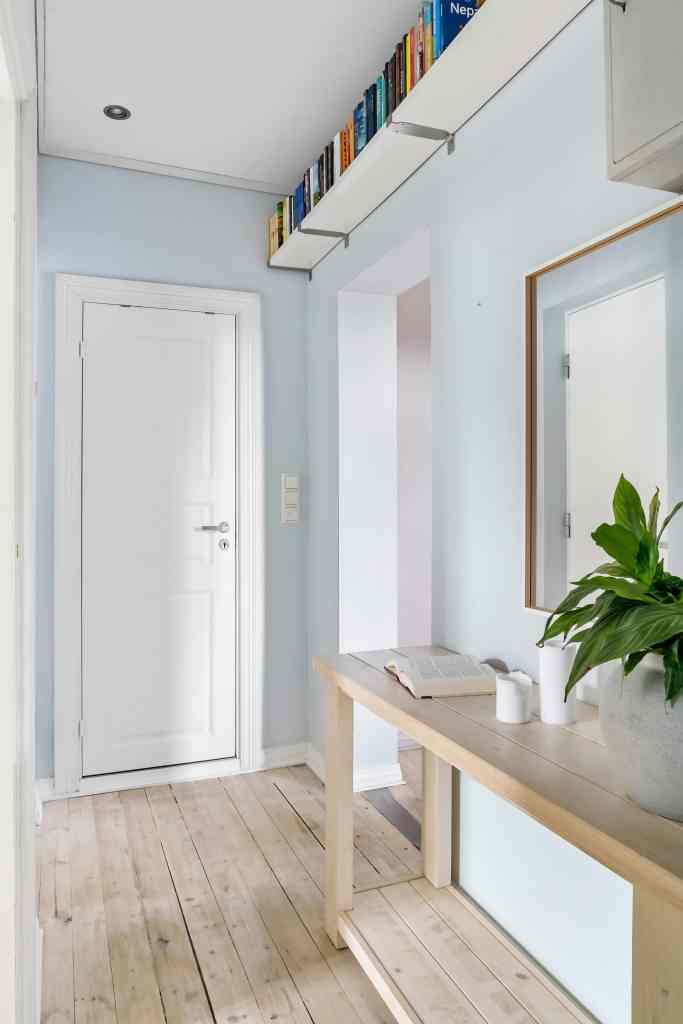
What makes this approach so effective is that it works regardless of how much space you actually have.
Even if your entryway is just a small corner, a narrow strip along a wall, or part of a hallway, it can still feel intentional. It doesn’t need to be large to be functional.
When the space is visually defined, styled with consistency, and kept within clear boundaries, it naturally feels more structured. That structure translates into a stronger first impression the moment you walk in.
Instead of feeling like an afterthought, your entryway becomes a space that supports your daily routine and sets the tone for the rest of your home.
3. Use a Narrow Console Table Strategically
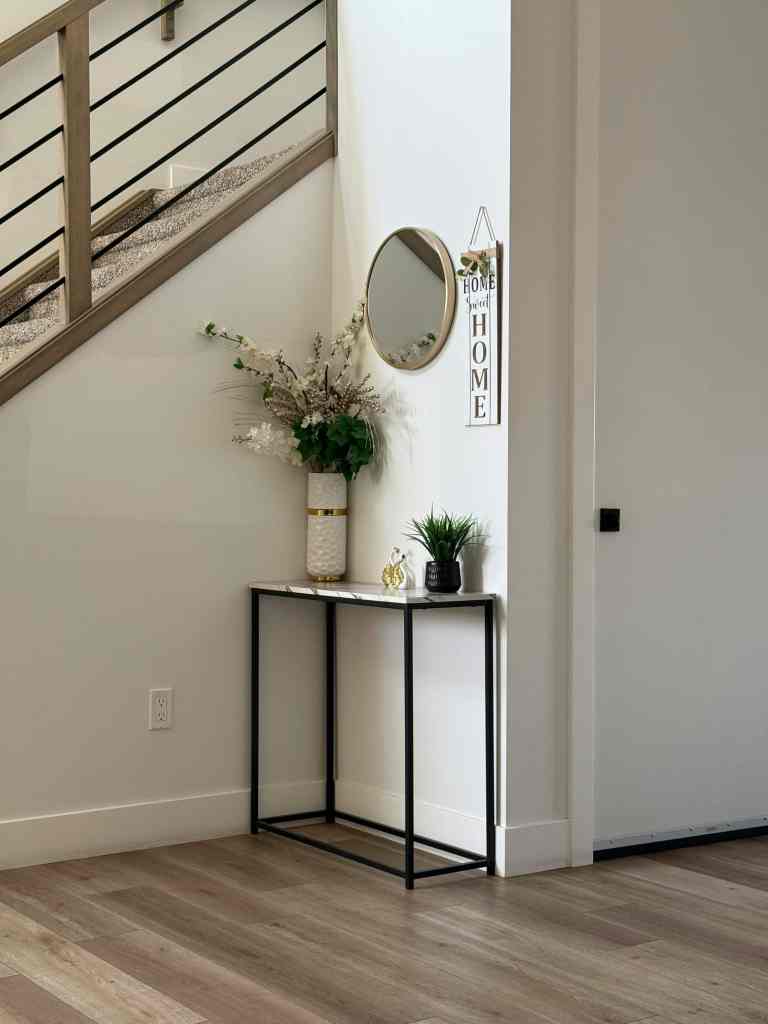
Furniture, when used correctly, can support the space without overwhelming it. In narrow entryways or hallways, scale matters more than anything else.
Bulky pieces disrupt movement and make the space feel tighter. Even something slightly too deep can affect how the area flows.
A slim console table works well because it provides just enough surface space without taking over the room. It becomes an anchor point for the entryway while still allowing for easy movement.
The key is restraint. Instead of filling the surface with decor, it should remain mostly clear. A single tray, a small decorative element, or a functional item is enough.
This keeps the space usable while still feeling styled.
4. Use Lighting to Make the Space Feel Larger
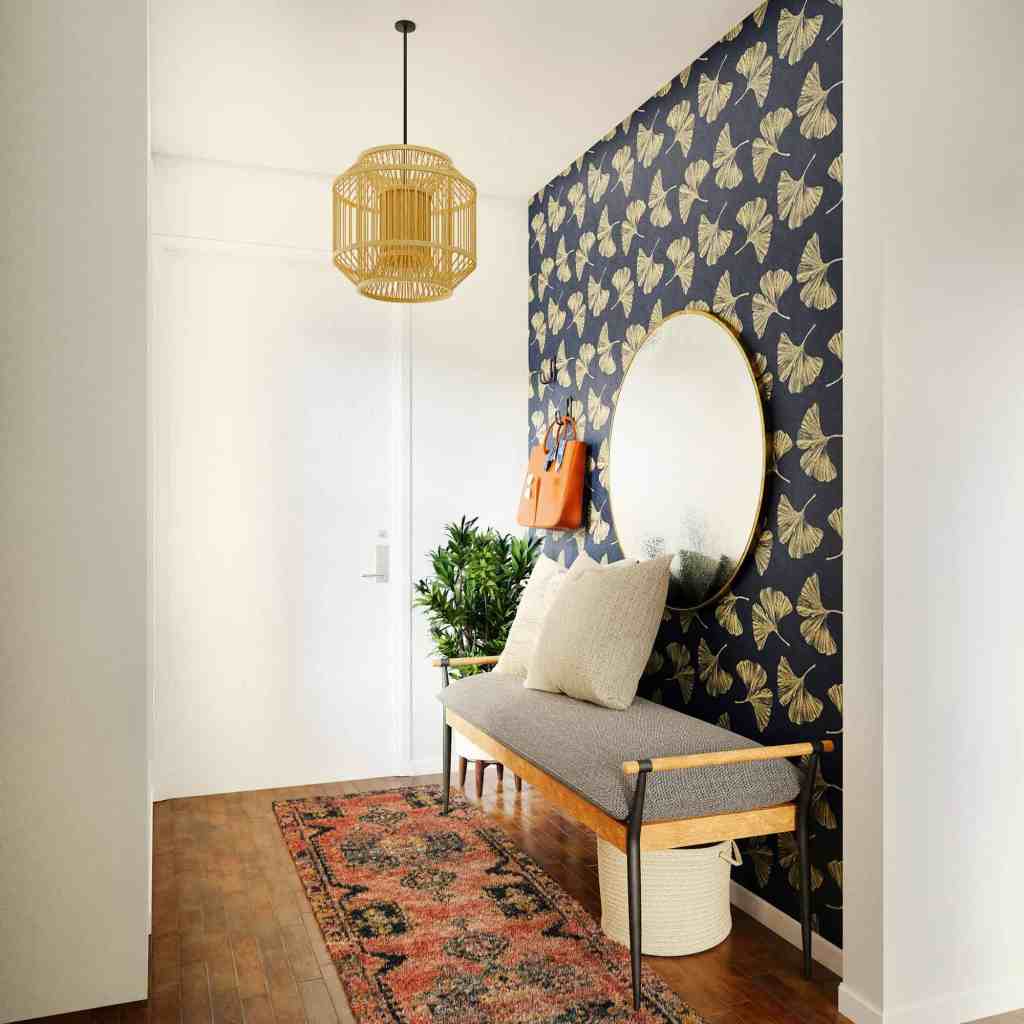
Lighting is another element that quietly shapes how your entryway feels. Many entryways are naturally darker than the rest of the apartment, especially if they’re positioned away from windows.
Poor lighting makes a space feel smaller and less inviting.
Adding a light source, even something minimal, changes the atmosphere immediately.
A slim floor lamp or a small table lamp can make the space feel warmer and more open. Light softens shadows, improves visibility, and creates a more welcoming environment when you walk in.
This isn’t just about aesthetics. When a space feels brighter, it also feels cleaner and more organized.
5. Keep Shoes Contained and Out of Sight
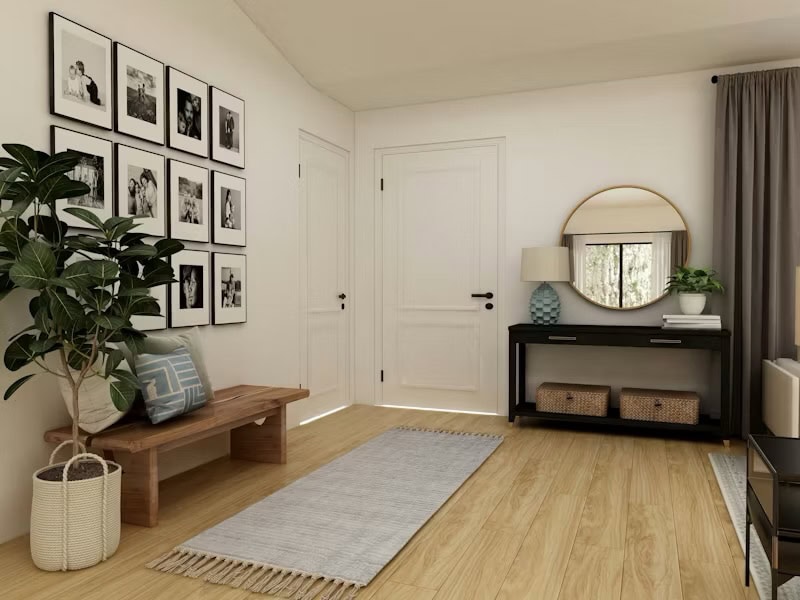
Shoes are one of the fastest ways for an entryway to feel cluttered. Even a few pairs left out can make the space look messy.
The goal isn’t to eliminate shoes from the entryway completely, it’s to control how they’re stored. Keeping only the pairs you use regularly near the door prevents buildup. Everything else should be stored elsewhere.

The SONGMICS 3-Tier Bamboo Shoe Rack works well because it organizes without adding bulk. It keeps shoes visible but contained, which helps maintain order without making the space feel crowded
What matters most is consistency. When shoes are always placed in the same spot, the space stays controlled.
6. Add a Mirror to Expand the Space Visually

Mirrors are one of the simplest ways to make a narrow entryway feel larger. They reflect light, create depth, and visually expand the space without requiring any additional room.
In smaller apartments, this can make a noticeable difference.
A mirror placed above a console table or along a hallway wall helps break up the narrowness of the space. It also adds a functional element, making it easier to check your appearance before leaving.
This is one of those changes that feels immediate. The space looks bigger, brighter, and more open without needing anything else.
7. Keep Walkways Completely Clear

Keeping walkways clear is essential, especially in hallways. Even small obstructions can interrupt flow and make the space feel tighter. When movement through a space feels restricted, the entire apartment feels smaller.
This is why floor clutter matters so much.
Items placed along walkways, shoes, baskets, or decor, quickly reduce the usable space and make the area feel cramped.
The goal is to keep the path completely open. When the walkway is clear, movement feels effortless. That sense of ease translates into how the space feels overall.
8. Use Closed Storage for Visual Simplicity
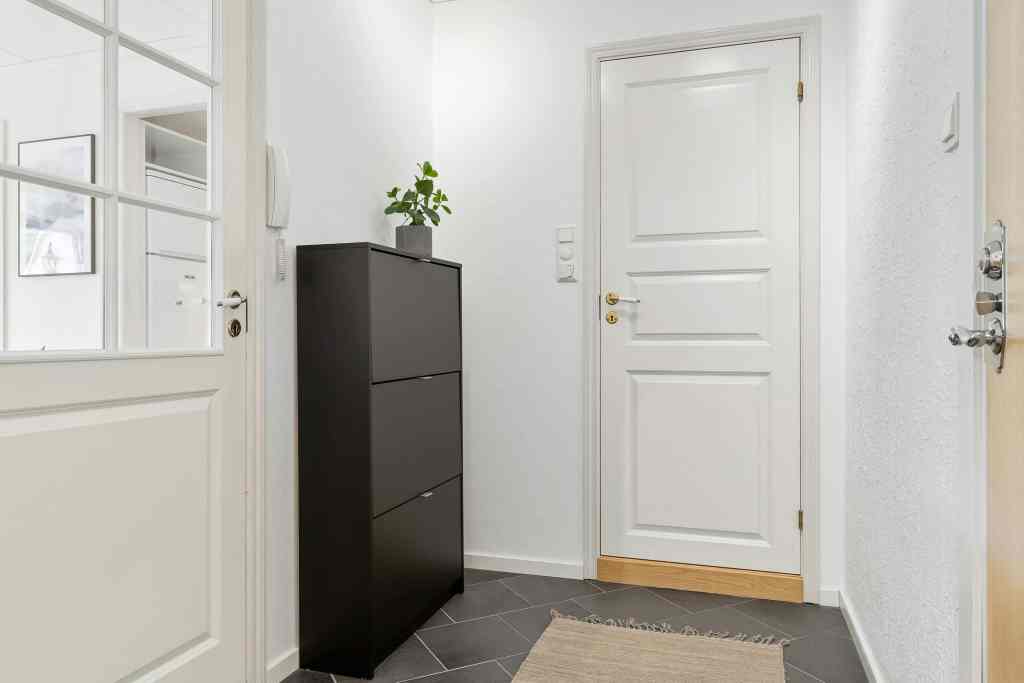
Storage plays a major role, but how it’s used matters just as much as how much you have.
Open storage can work, but it requires constant maintenance. If items aren’t styled carefully, it can quickly look messy. Closed storage offers a simpler solution.
It hides everyday clutter and creates a cleaner visual experience. A slim rolling cart or a storage bench with hidden compartments can add functionality without making the space feel busy.

The SPACEKEEPER Slim Rolling Storage Cart rolling cart or a storage bench allow you to keep essentials nearby while maintaining a clean look.
This balance between accessibility and simplicity is what keeps the space manageable.
9. Limit What Lives in the Entryway
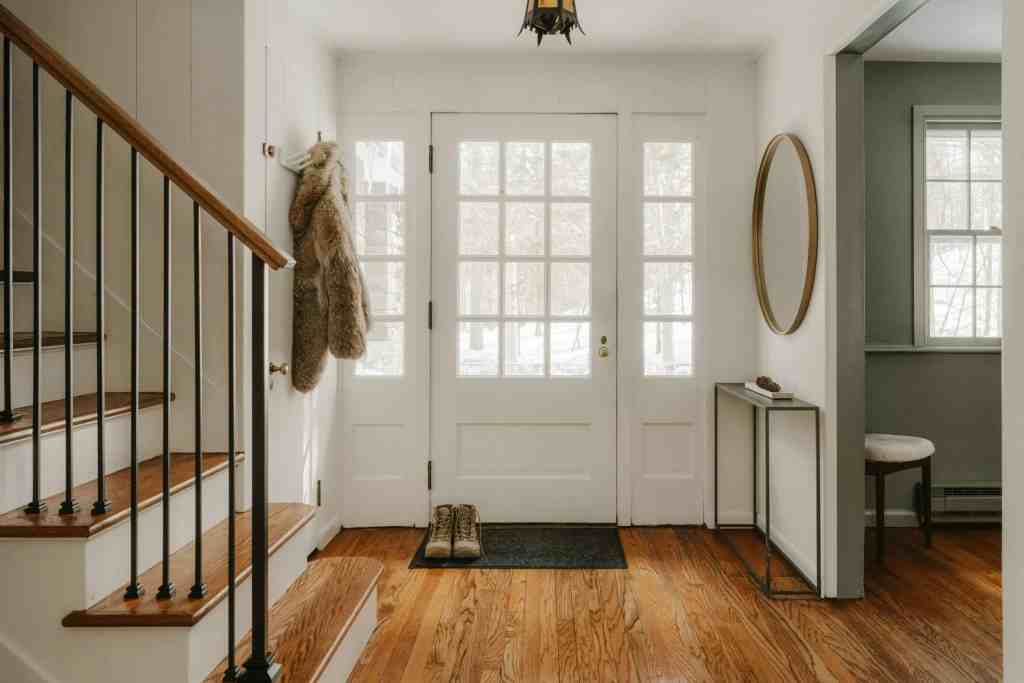
Another important shift is limiting what actually belongs in the entryway. Not everything needs to live there.
When too many items are stored in a small space, even the best organization system starts to break down. Keeping only daily essentials in the entryway helps maintain control. Everything else can be stored elsewhere in your apartment.
This keeps the space focused and prevents unnecessary buildup.
10. Make It Easy to Maintain Daily
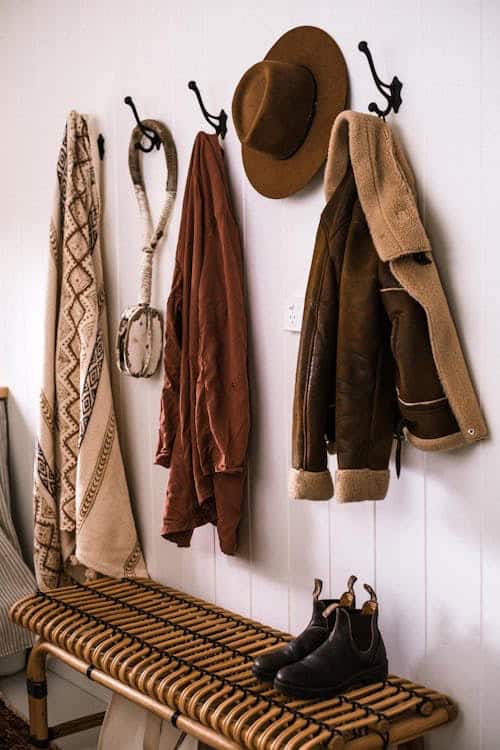
Habits play just as big of a role as design. Even the most organized entryway won’t stay that way without a simple routine.
Creating a small reset habit when you walk in makes a huge difference. Placing your keys in the same spot, putting shoes away immediately, and keeping surfaces clear takes less than a minute. But it prevents clutter from building over time.
The easier the system is, the more likely you are to stick to it.
Complicated setups tend to fail because they require too much effort. Simple systems work because they become automatic.

The VASAGLE Storage Bench with Cushion gives you a place to sit while also hiding shoes, bags, or seasonal items inside.
11. Use Scent to Elevate the Entryway Experience

There’s also a sensory side to your entryway that often gets overlooked. How the space feels when you walk in matters just as much as how it looks.
A subtle scent can make your apartment feel more welcoming and put together instantly. Something as simple as a candle or diffuser adds a layer of atmosphere without taking up space.
It creates a moment, and in a small apartment, those small details have a bigger impact. However, keep it light and neutral, nothing overpowering.
This small detail creates a strong first impression every time you enter your home.
12. Use Symmetry to Create a Balanced, Organized Look
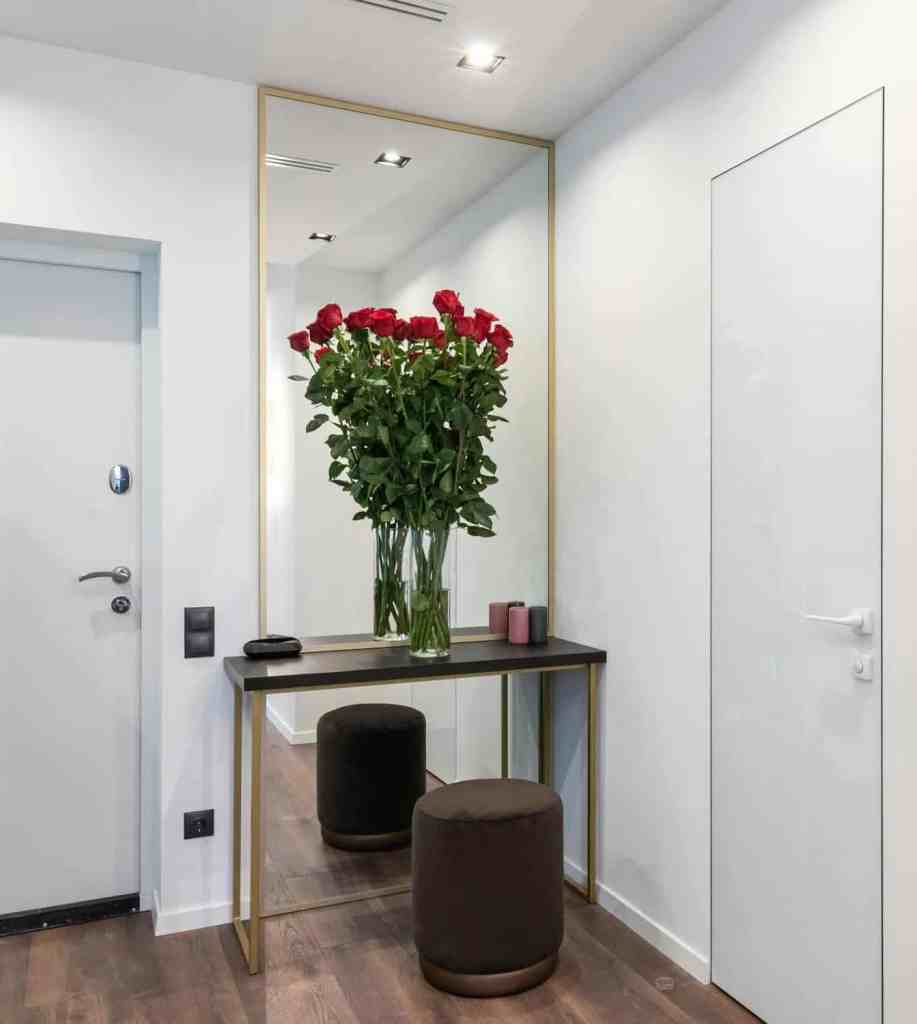
When space is limited, visual balance becomes even more important. Balance and symmetry also help bring structure to a narrow space.
When items are evenly spaced and aligned, the entryway feels more organized. This doesn’t require perfection.
Even simple adjustments, like centering a mirror above a console table or keeping decor evenly spaced—can make the space feel more intentional.
In smaller areas, these details stand out more.
13. Create a “Landing Reset” Habit When You Walk In
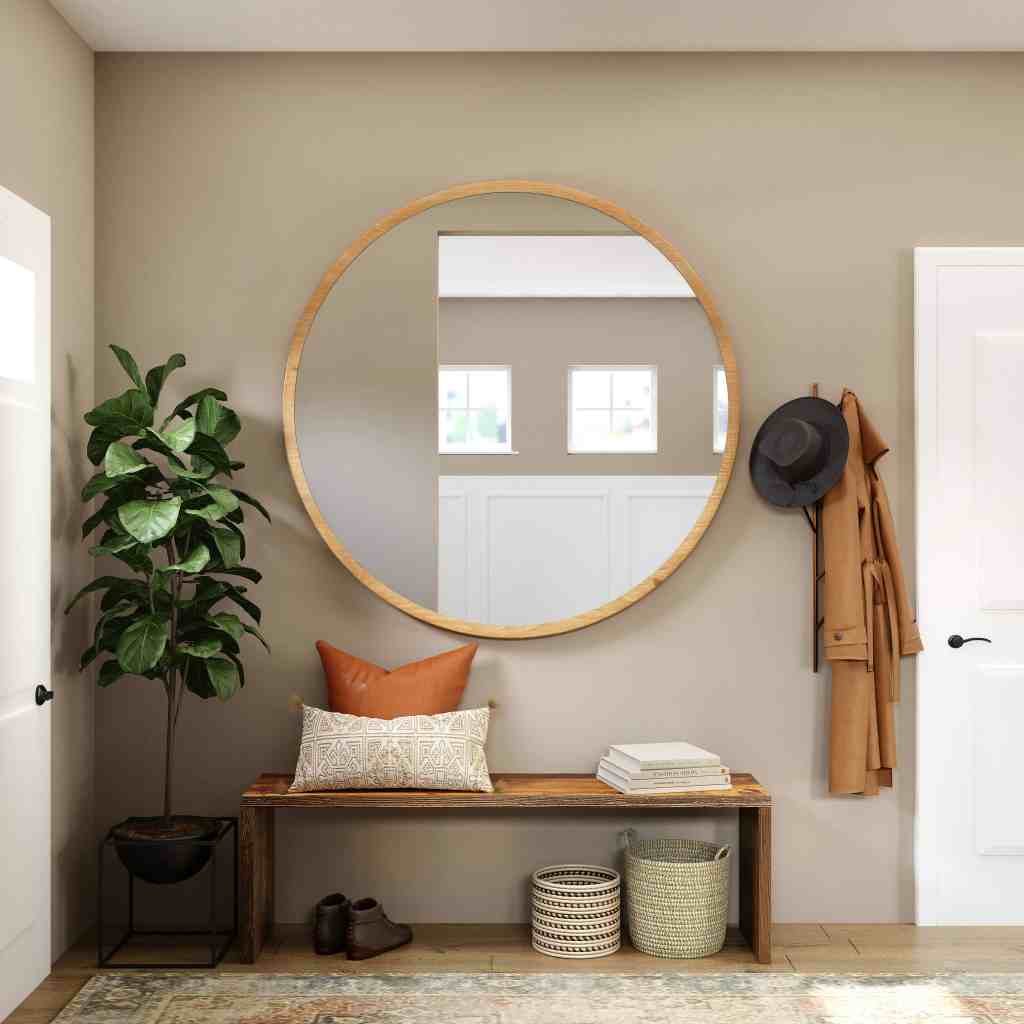
The way your entryway looks and functions isn’t just determined by storage, it’s shaped by what you do the moment you walk through the door.
Even the most well-designed setup will start to break down if there isn’t a simple, consistent routine behind it. This is why small entryways often feel cluttered so quickly. It’s not usually a lack of space, it’s a lack of structure in how the space is used day-to-day.
Creating a small “landing reset” habit is one of the most effective ways to keep your entryway consistently clean without needing to constantly reorganize it.
When you walk in, there’s always a natural sequence of actions. You take off your shoes, set down your keys, drop your bag, and move into the rest of your apartment. When those actions don’t have a designated place, items get left wherever it feels easiest in the moment. Over time, that’s what creates buildup.
When each of those actions has a clear, immediate destination, the space starts to maintain itself.
Instead of setting your keys down on the nearest surface, they go in the same spot every time. Your shoes aren’t left by the door, they’re placed where they belong right away. Your bag doesn’t get dropped on a chair or the floor because there’s already a defined place for it.
What makes this so effective is how little effort it actually takes.
The entire process can happen in under a minute, but it prevents hours of future cleanup. It removes the need to constantly reset your space because the reset is happening in real time, every time you walk in.
This is where simplicity becomes important.
If your system requires too many steps or feels inconvenient, it won’t last. The easier it is to follow, the more automatic it becomes. That’s why a small, contained setup works better than a complicated one.
A simple tray on a console table can act as a consistent drop point for everyday items like keys and small essentials. Using something like the Mkono Decorative Tray Organizer keeps everything in one place without spreading across the surface. It creates a boundary that naturally encourages you to stay organized without thinking about it.

The goal isn’t perfection. It’s consistency.
When the system is easy and the habit becomes automatic, your entryway stays clean without effort. And when your entryway stays clean, your entire apartment feels more calm, controlled, and intentional.
Final Thoughts: Create an Entryway That Works for Your Space
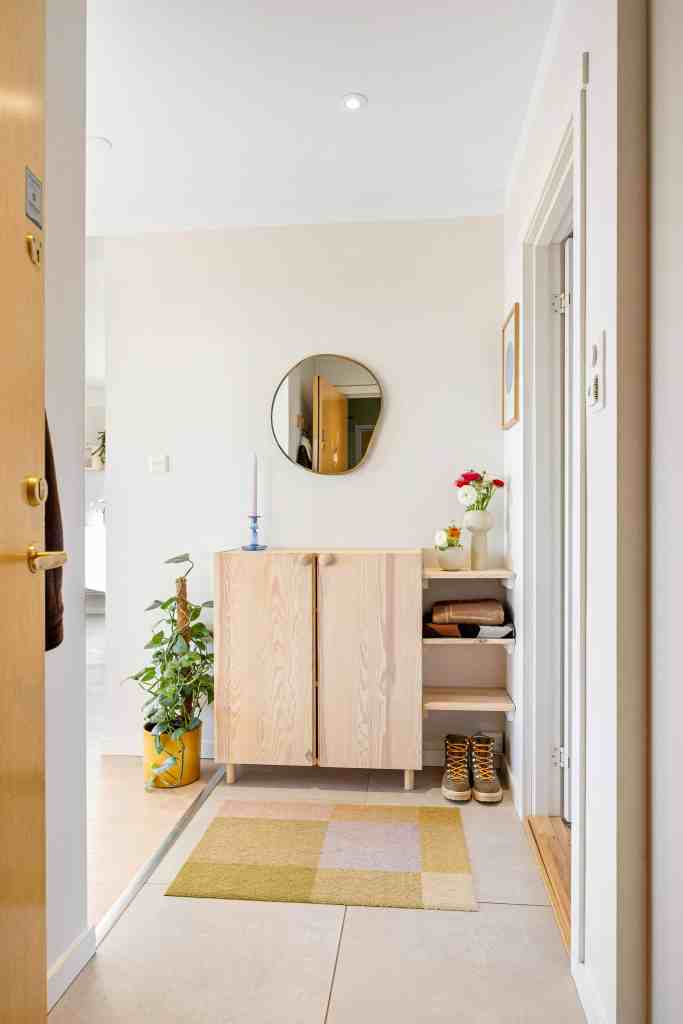
A small apartment entryway doesn’t have to feel cluttered, cramped, or like an afterthought. When the space is designed intentionally, it becomes one of the most functional areas in your home.
It sets the tone. It controls clutter. It creates a sense of structure that carries into the rest of your apartment. The goal isn’t to add more. It’s to make better use of what’s already there.
When every element serves a purpose, when storage is simple, layouts are clear, and habits support the system, the space naturally feels larger, cleaner, and easier to maintain.
And once your entryway works, your entire apartment starts to feel more organized.
If you’re continuing to improve your space, you can build on this by focusing on small apartment storage ideas and clutter-free living systems that help every area of your home feel just as functional and intentional.
Shop This Post: Entryway Organization Essentials
If you want to create a clean, functional entryway in a small apartment, these space-saving essentials make a big difference:
| Product Image | Product Name / Price | Primary Button |
|---|---|---|
|
|
||
|
|
||
|
|
||
|
|
||
|
|
||
|
|

SONGMICS 3-Tier Bamboo Shoe Rack
Mkono Decorative Tray Organizer
VASAGLE Storage Bench with Cushion
These help keep your entryway organized, reduce clutter at the door, and make your apartment feel more put together as soon as you walk in.
Make Your Whole Apartment Feel Bigger and More Organized
Your entryway is just the beginning.
Once you create a clean, functional starting point, it becomes much easier to keep the rest of your apartment organized and flowing well.
If you’re ready to continue improving your space, these posts will help you build that same feeling throughout your home:
- Small Apartment Living Room Ideas to Make Your Space Feel Bigger (Perfect for creating a more open, comfortable layout in your main space)
- Small Apartment Storage Ideas with No Closet (Genius Space-Saving Solutions) (Ideal if you’re struggling with limited storage and need creative solutions)
- Studio Apartment Layout Ideas That Make Small Spaces Feel Bigger (Helps you design a layout that actually works in an open space)
- Small Kitchen Organization Ideas to Maximize Space (If your kitchen feels cluttered, this will help you simplify and streamline it)
- Small Apartment Bedroom Makeover: Maximize Space & Style (For creating a calm, functional bedroom without overcrowding it)
Start Small and Build Momentum
You don’t need to overhaul your entire apartment at once.
Start with your entryway.
Then move on to one space at a time, your living room, kitchen, or bedroom, and apply the same principles:
- keep it simple
- stay intentional and
- focus on what actually works for your lifestyle
Small changes add up quickly, and over time, they completely transform how your space looks and feels.
Save This for Later
If you’re planning to organize your entryway or refresh your small apartment layout, save this post so you can come back to it when you’re ready to start.
These ideas are designed to be simple, practical, and easy to implement, no matter how small your space is.
Leave a Reply