This site contains affiliate links. I may earn a small commission, at no extra cost to you. Please view the disclosure for more information.
Designing a small apartment bedroom isn’t just about where your bed goes, it’s about creating a layout that feels open, functional, and easy to live in.
When space is limited, every inch matters. The way you position your furniture, use vertical space, and manage clutter can completely change how your bedroom feels.
These layout ideas focus on real solutions for small apartments, especially tight layouts, awkward corners, and shared spaces.
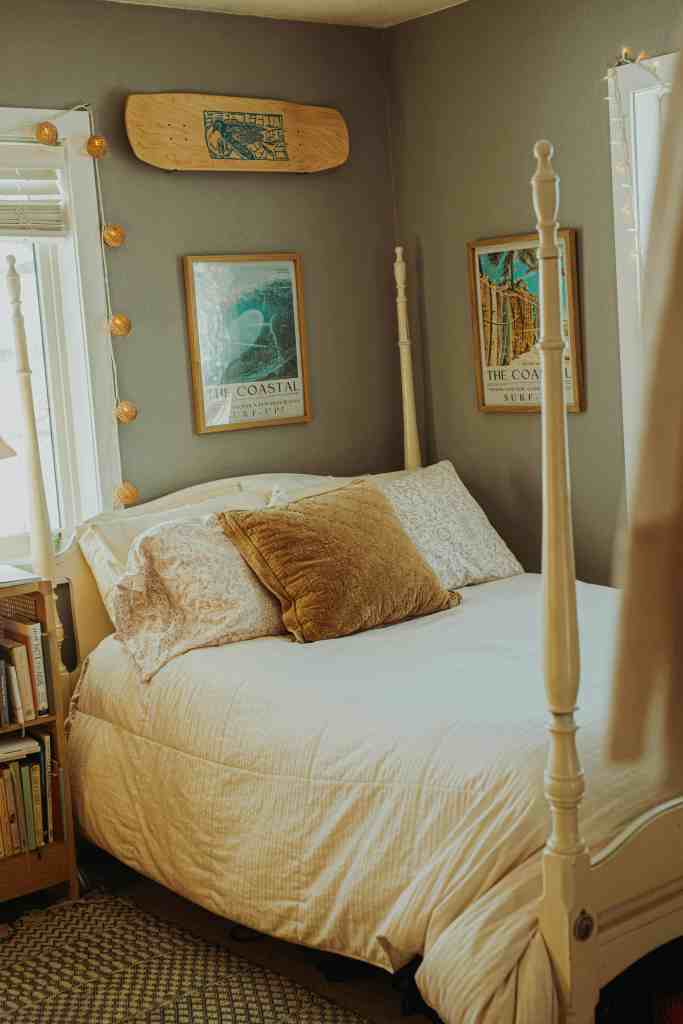
1. Place Your Bed Against the Longest Wall to Maximize Walkway Space
In a small bedroom, bed placement determines how the entire space functions. Instead of automatically centering the bed, I position mine along the longest uninterrupted wall, which creates a more natural flow. This allows for you to have a clearer walkway and it prevents tight, unusable gaps from forming around the room.
This approach works especially well in narrow layouts, studio apartments, and bedrooms where door clearance limits your options. By keeping at least one side accessible and avoiding bulky furniture near the foot of the bed, the room becomes easier to move through and feels significantly less congested.
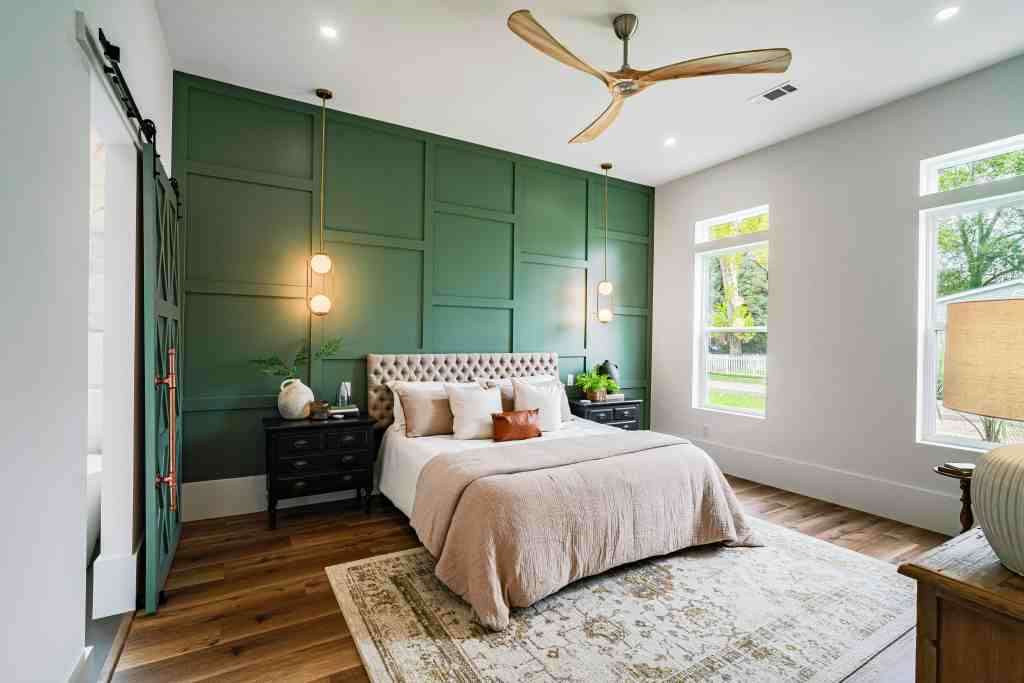
2. Position the Bed Under a Window to Free Up Wall Space
Placing a bed under a window is often avoided, but in small apartments it can be one of the most efficient layout decisions. By using the window wall, you free up your largest uninterrupted wall for storage, a dresser, or even a workspace.
This setup works best when the bed is kept visually light. A low-profile headboard or no headboard at all helps prevent the area from feeling crowded, while light curtains allow natural light to remain part of the room. When done correctly, this layout shifts usable space to where it matters most.ess.
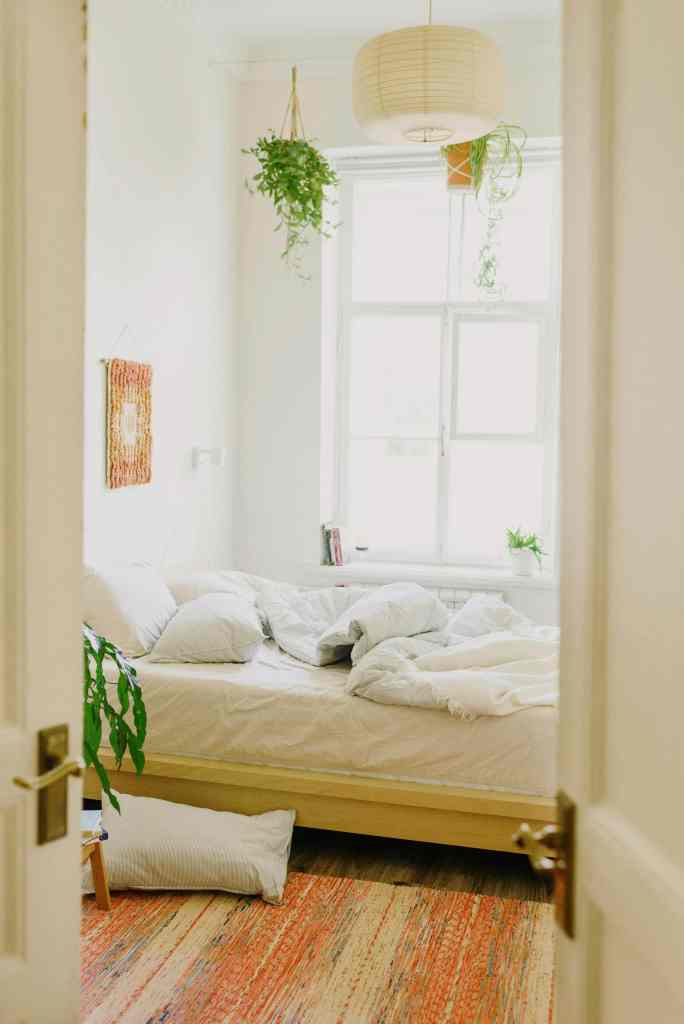
3. Use a Storage Bed to Eliminate the Need for a Dresser
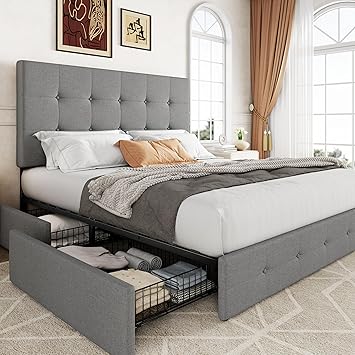
One of the most effective upgrades in a small bedroom is replacing multiple pieces of furniture with one that serves more than one purpose. A storage bed removes the need for a separate dresser by integrating storage directly into the footprint of the bed.
This reduces the number of large items in the room, which immediately makes the space feel more open. It also keeps clothing, bedding, and seasonal items out of sight, which helps reduce visual clutter.
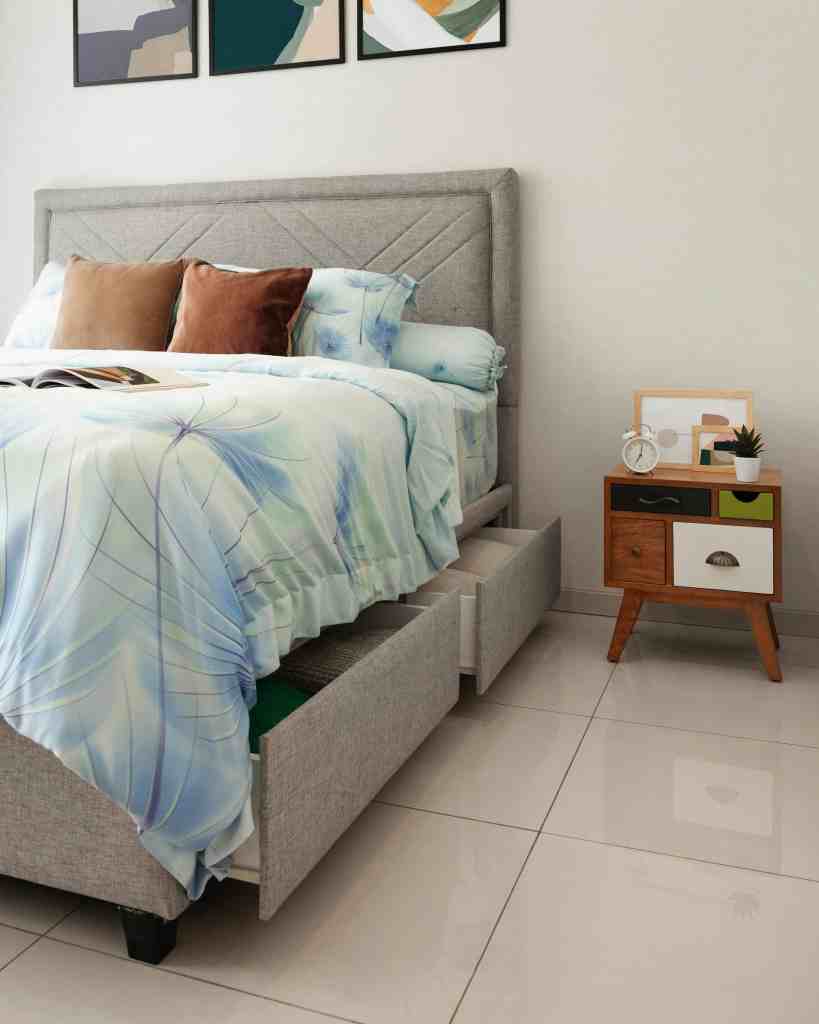
If you’re looking for an easy upgrade, a storage bed like the Allewie Upholstered Storage Bed Frame can instantly replace bulky furniture and free up valuable space while keeping everything organized and out of sight.
4. Replace Nightstands with Floating Shelves to Save Floor Space
Traditional nightstands can quickly make a small bedroom feel cramped because they take up valuable floor space. Replacing them with floating shelves shifts storage upward, which keeps essentials within reach while maintaining a more open layout. Floating shelves have been a game changer in my space.
The floating shelves work best when they are kept minimal. A small lamp, a book, or a few everyday items are enough to maintain function without introducing clutter. The goal is to support your routine without adding unnecessary visual weight.
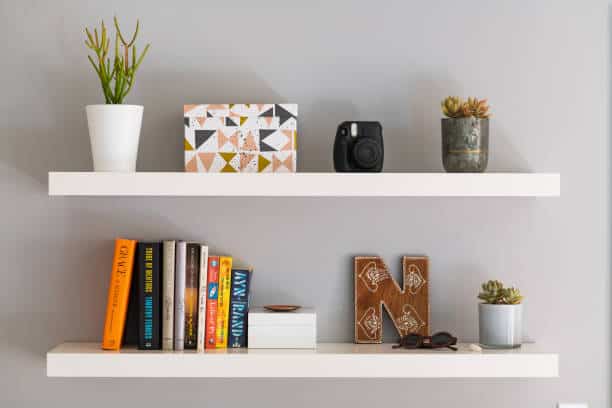
A simple set of floating shelves like the QEEIG Floating Wall Shelves Set is one of the easiest ways to keep essentials nearby without taking up any floor space.

5. Choose a Narrow Nightstand (Under 12 Inches Deep)
I have always utilized a nightstand, whether its for the book I’m currently reading, a place to set my cell phone, it is the first thing I lean towards first thing in the morning. If a nightstand is necessary for you also, its size becomes critical. A narrow nightstand allows you to maintain functionality without restricting movement or creating tight walkways.
Slim designs with open shelving or lighter finishes help the room feel less dense. This keeps the layout balanced and ensures that the space remains practical without feeling overcrowded.
6. Float the Bed Slightly Away from the Wall to Create Depth
While pushing furniture against walls is a common instinct in small spaces, it can actually make a room feel flat. Pulling the bed just a few inches away from the wall introduces depth and creates a more intentional layout.
This small adjustment improves airflow and prevents the room from feeling boxed in. When combined with minimal furniture, it helps the entire space feel more open without requiring additional square footage.
7. Use Vertical Storage Above the Bed Without Overcrowding
The space above the bed is often underused, but it can provide valuable storage when handled carefully. Adding vertical storage here allows you to keep items off the floor and reduce the need for additional furniture.
The key is restraint. Overloading this area can quickly make the room feel heavy, so it’s important to keep the design simple and cohesive. Light shelving and minimal items maintain balance while still improving function.

8. Use a Bedside Caddy in Ultra-Small Bedrooms
In very tight layouts, even a small nightstand can disrupt the flow of the room. A bedside caddy offers a practical alternative by attaching directly to the bed and holding essential items without taking up any floor space.
This solution works particularly well in studio apartments, dorm-style rooms, or shared spaces where every inch matters..
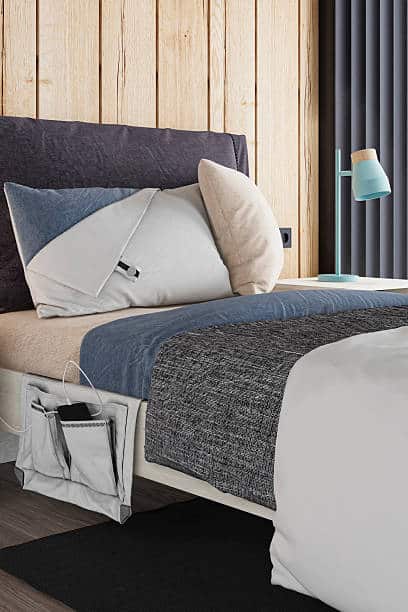
In really tight spaces, something like the Zafit Bedside Storage Organizer can replace a nightstand completely while keeping your essentials within reach.

9. Place a Mirror Where It Reflects Light, Not Clutter
Mirrors are one of the most effective tools for making a small bedroom feel larger, but placement is what determines their impact.
Positioning a mirror to reflect natural light or open space enhances brightness and creates the illusion of depth. Placing it where it reflects clutter, however, has the opposite effect. I love the color and aesthetic of the mirror below.

A large mirror like the NeuType Full Length Mirror can make a noticeable difference by reflecting light and instantly making your bedroom feel more open.

10. Use Under-Bed Storage Strategically (Not Randomly)
Under-bed storage is one of the most valuable areas in a small bedroom, but it needs to be used intentionally. Random storage can quickly turn into hidden clutter.
Using matching containers and limiting this space to non-daily items keeps it functional without becoming chaotic.
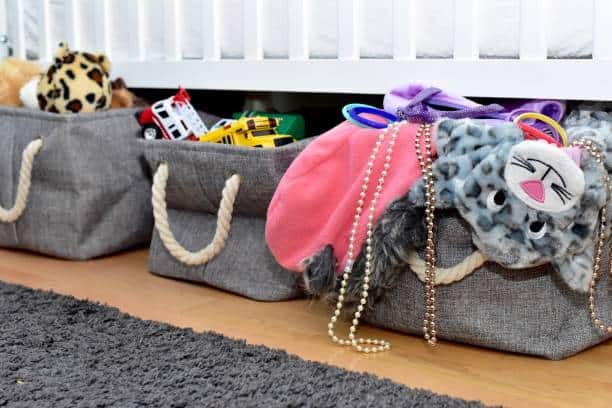
Using matching containers like the Onlyeasy Under Bed Storage Bags (Set of 2) helps keep everything organized while maintaining a clean, clutter-free look.

11. Add a Storage Bench at the Foot of the Bed
A storage bench is one of the most efficient additions to a small bedroom because it serves multiple purposes without increasing visual clutter.
It provides seating, hidden storage, and a defined endpoint for the bed, which helps anchor the layout. It can be used for blankets, shoes, or everyday items that would otherwise remain visible.

A storage bench like the SONGMICS Storage Ottoman Bench is one of the most versatile additions you can make, adding both hidden storage and a functional seating area.

12. Use Matching Storage Bins to Reduce Visual Clutter
Even when a space is technically organized, it can still feel messy if the storage itself is inconsistent. This usually happens when bins, baskets, and containers vary in color, material, or shape. Instead of creating structure, they introduce visual noise that makes the room feel less cohesive.
Matching storage changes that immediately.
When containers are consistent, your brain groups them together as one visual element instead of multiple separate ones. This reduces how much your eye has to process and makes the entire space feel calmer without removing anything.
This is one of the simplest upgrades you can make, but it has a noticeable impact. It’s not about perfection—it’s about reducing contrast. When storage blends together visually, it supports the room instead of competing with it.
Over time, this also makes it easier to maintain organization, because everything already feels structured.
13. Stick to a Light, Consistent Color Palette
Color plays a larger role in small spaces than most people realize. When too many tones exist in one room without connection, they create visual tension. Even if everything is organized, the space can still feel busy.
A consistent color palette reduces that tension. Lighter tones reflect more light, which helps the room feel more open. When those tones are repeated throughout the space, they create continuity, making the layout feel more intentional.
This doesn’t mean everything has to match exactly. It means limiting the number of dominant colors so the space feels connected instead of fragmented.
In small bedrooms, this is especially important because everything is visible at once. A cohesive palette allows the room to feel calmer without requiring additional changes.
14. Use a Tall Narrow Dresser Instead of a Wide One
Furniture shape has a direct impact on how spacious a room feels. Wide furniture tends to limit movement because it takes up more horizontal space, which is already limited in most small bedrooms.
A tall, narrow dresser works differently.
It shifts storage vertically, freeing up floor space and keeping walkways open. This makes the room easier to move through and prevents that tight, crowded feeling that wide furniture often creates.
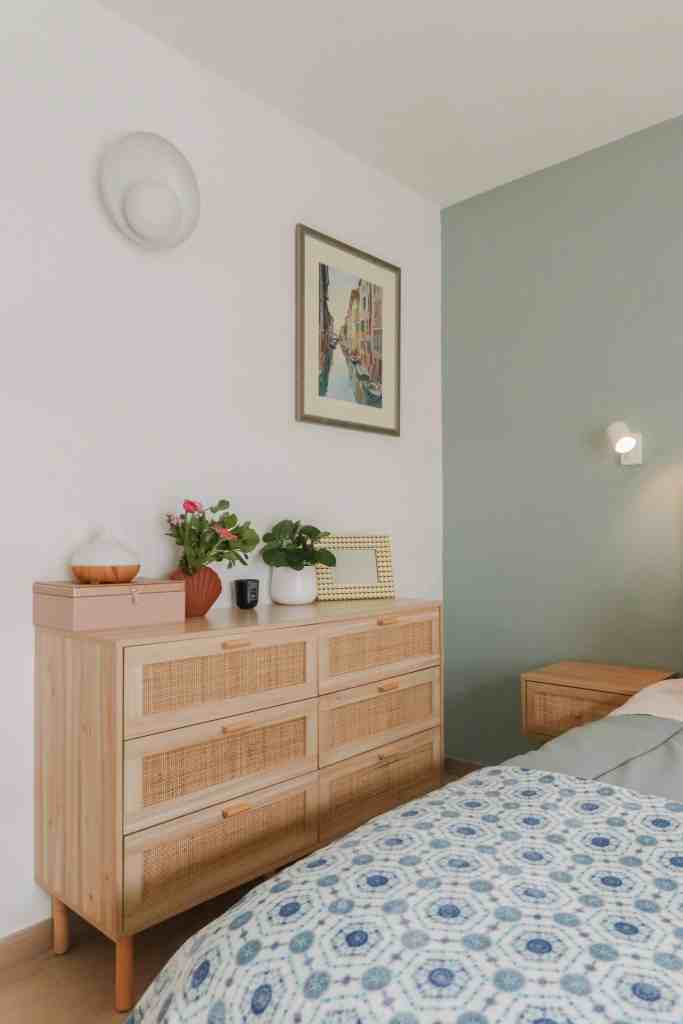
Switching to a tall option like the Prepac 5-Drawer Tall Dresser helps maximize vertical space without crowding your layout.

15. Keep Walkways Clear and Functional
Walkways are often overlooked when designing a small bedroom, but they have a major impact on how the space feels. When your movement is restricted, I have noticed the room immediately feels smaller.
Even if everything is organized, blocked or narrow pathways create friction in how you move through the space. Over time, this makes the room feel less functional and more crowded.
Keeping walkways clear changes that. When there’s enough space to move comfortably, the room feels more open and easier to use. This doesn’t require a large amount of space, just enough to avoid tight, awkward gaps between furniture.
Maintaining clear pathways also makes the room feel more intentional. It signals that the layout was designed with movement in mind, not just placement.
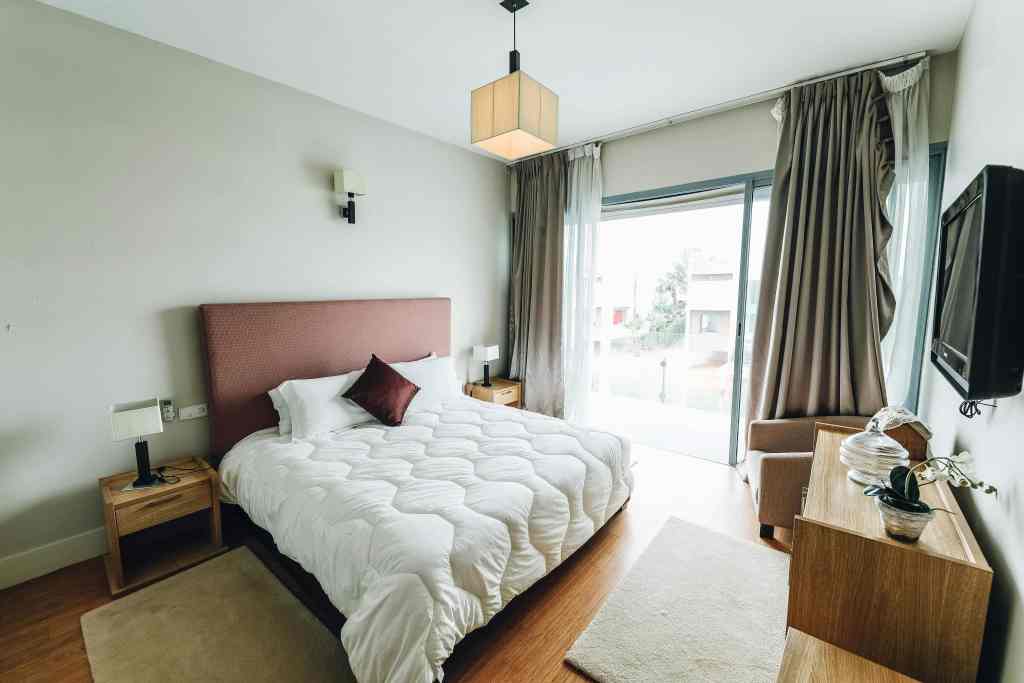
16. Use a Foldable Desk for Multi-Use Bedrooms
In small apartments, rooms often need to serve more than one purpose. A bedroom may also function as a workspace, which can quickly lead to clutter if not handled carefully.
A foldable desk solves this by allowing the space to adapt.
Instead of having a permanent workstation that takes up space all day, a foldable desk can be used when needed and tucked away when it’s not. This keeps the room feeling like a bedroom instead of a hybrid space.
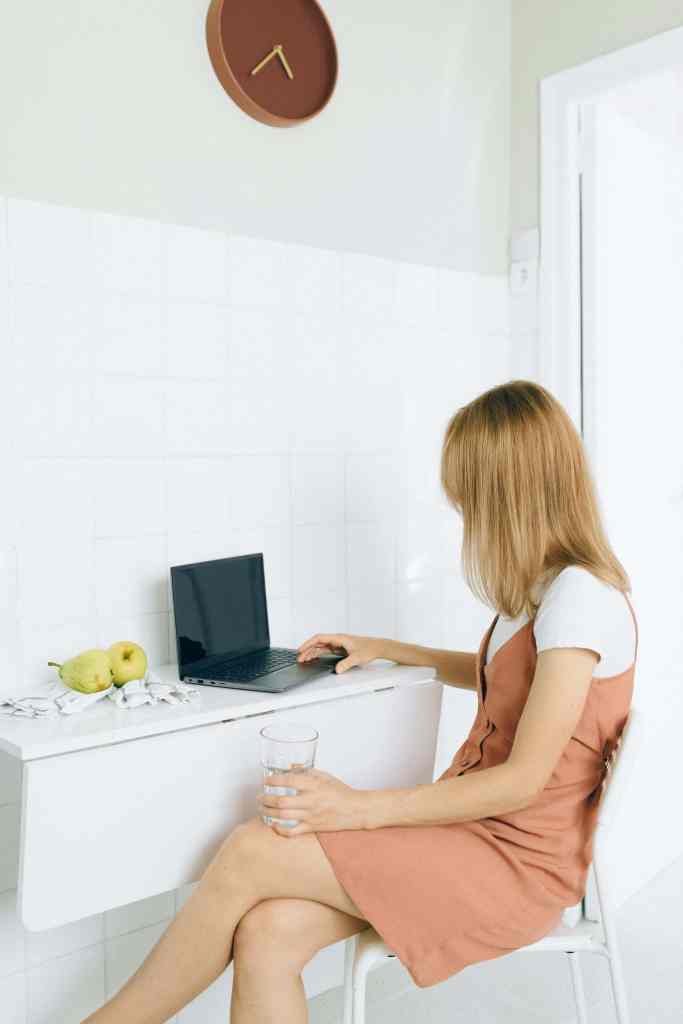
If your bedroom doubles as a workspace, the Need Foldable Wall Desk allows you to use it when needed and fold it away to keep your space open.
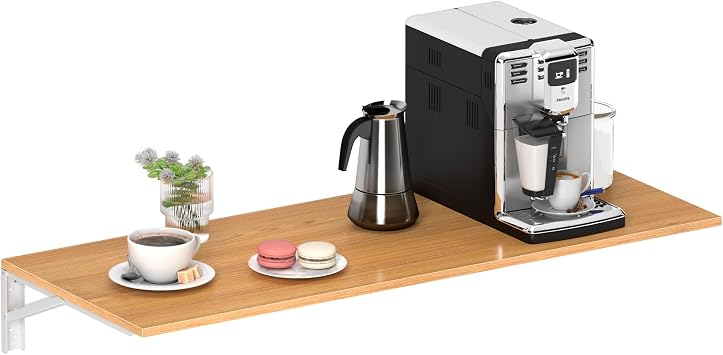
17. Mount Lighting Instead of Using Table Lamps
Lighting is essential, but how it’s placed can either help or hurt your layout. Table lamps take up surface space and can contribute to clutter, especially in small bedrooms where every surface matters.
Mounted lighting works differently.
By moving light sources off tables and onto walls, you free up space while keeping the room functional. This also adds vertical interest, which helps balance the layout visually.
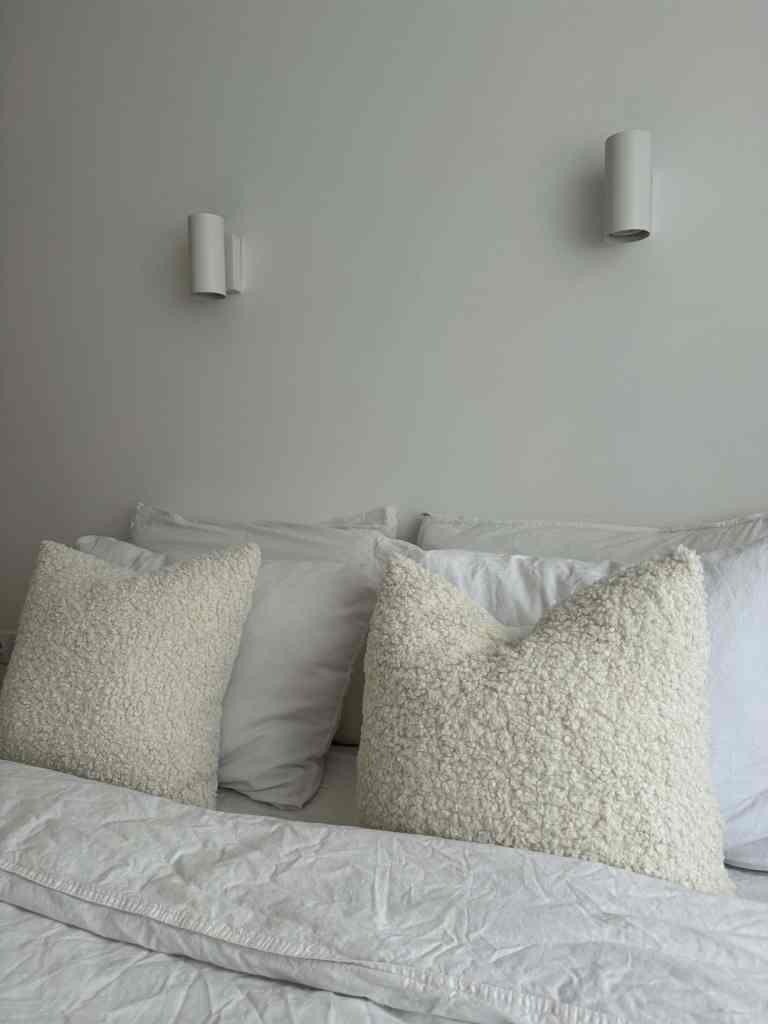
Wall-mounted lighting like the Rechargeable Wall Scones frees up surface space while keeping your room feeling clean and uncluttered.

18. Use Hooks Behind the Door for Hidden Storage
The back of your door is one of the most underused areas in a small bedroom. Without a system, I have noticed my items like jackets, bags, or towels often end up on chairs or the floor, which adds to visual clutter.
Using hooks creates structure in my space. Instead of items spreading across the room, they have a defined place that doesn’t interfere with the rest of the layout.
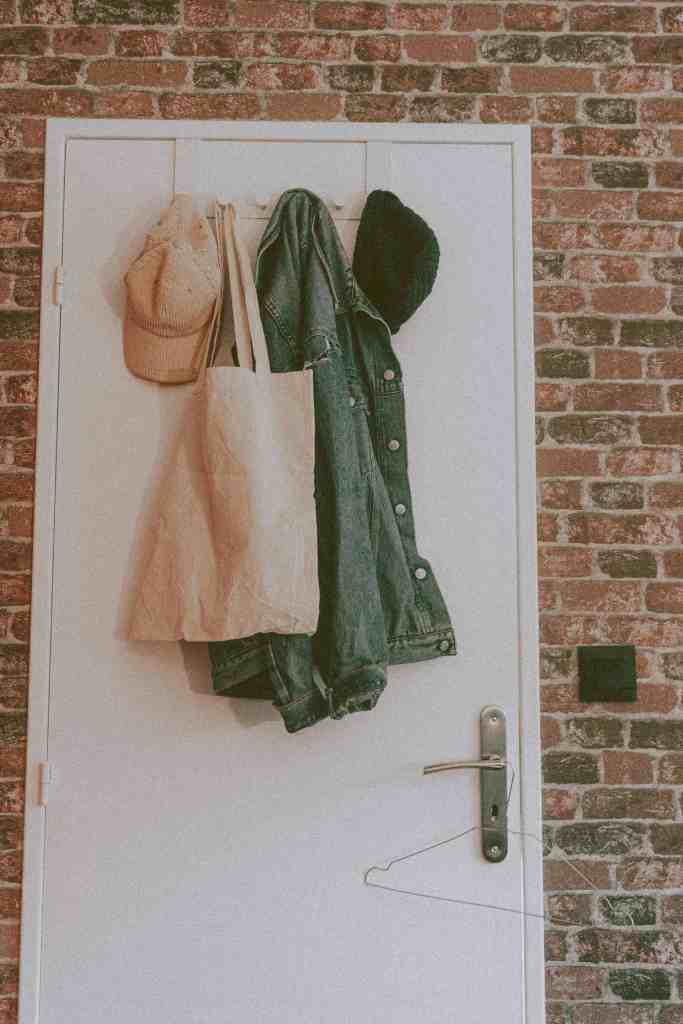
Over-the-door hooks like the Amazon Basics Over Door Hook Rack are one of the easiest ways to add storage without adding any extra furniture.

19. Keep Decor Minimal to Avoid Visual Clutter
Decor adds personality, but too much of it can quickly make a small bedroom feel crowded. In limited spaces, every object has more visual impact.When too many decorative items are present, the room starts to feel busy, even if everything is organized. This is because your eye has to process each item individually.
Keeping decor minimal changes that. Fewer, more intentional pieces create focus. They allow the space to feel styled without becoming overwhelming.
This doesn’t mean removing personality. It means choosing what matters most and allowing those pieces to stand out.
20. Use a Rug to Anchor the Bed Area
A rug does more than add comfort, it defines the space.
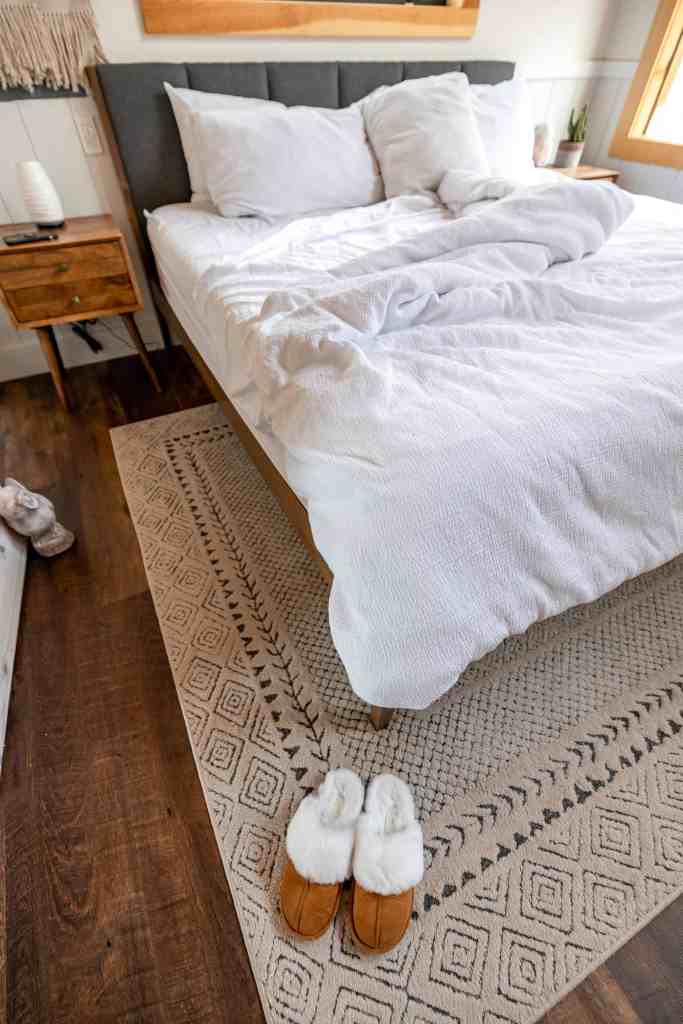
In small bedrooms, where everything exists in close proximity, a rug helps create structure by visually anchoring the bed area. This makes the layout feel more intentional instead of scattered.
The size of the rug matters. When it extends beyond the bed, it creates a clear boundary that ties the space together. This reduces the feeling of fragmentation and helps the room feel more cohesive.
Even in smaller layouts, this can make a noticeable difference in how the room is perceived.
21. Create Zones for Sleep, Storage, and Work
Even in a small bedroom, defining separate zones improves how the space functions.
Without zones, everything blends together. This makes the room feel less organized, even if everything is technically in place. When areas are defined, sleeping, storage, and work, the space becomes easier to use.
This doesn’t require physical separation. It can be created through layout, furniture placement, or even subtle visual cues. The goal is to give each part of the room a purpose so nothing feels random.
This aligns with how small apartment layouts are designed overall. When each area has a clear role, the entire space feels more structured and easier to maintain.
Small Bedroom Essentials That Save Space
This site contains affiliate links. I may earn a small commission, at no extra cost to you. Please view the disclosure for more information.
If you’re ready to upgrade your space, these are some of the most practical items that make a small bedroom feel bigger and more functional:
- QEEIG Floating Wall Shelves Set
- Zafit Bedside Storage Organizer
- Onlyeasy Under Bed Storage Bags
- Rechargeable Wall Mounted Light
- Amazon Basics Over Door Hook Rack
Final Thoughts: Design a Bedroom That Actually Works for Your Space
A small apartment bedroom isn’t limited by size, it’s shaped by how well the layout works for your daily life.
When your layout is intentional, everything else becomes easier:
- You move through your space without frustration
- You keep things organized without effort
- And your room naturally feels bigger, calmer, and more functional
The biggest transformation doesn’t come from buying more furniture, it comes from choosing the right layout and using every inch more efficiently.
Even small changes, like repositioning your bed, switching to vertical storage, or clearing your walkways, can completely change how your bedroom feels.
Continue Optimizing Your Small Apartment
If you want to take your space even further, these guides will help you build on what you’ve started:
Start by decluttering your space (this makes layout changes easier):
Maximize your storage so your bedroom stays clean long-term:
- Bedroom Storage Ideas for Small Apartments (Maximize Every Inch Without Clutter)
- Small Apartment Closet Organization: How to Maximize Space
Improve the rest of your apartment using the same layout strategies:
- 23 Small Apartment Living Room Ideas That Make Your Space Feel Bigger
- Small Kitchen Organization Ideas to Maximize Storage Space
- Small Apartment Bathroom Organization and Space-Saving Hacks
Fix overall flow and layout across your entire apartment:
- 15 Genius Studio Apartment Layout Ideas That Make Small Spaces Feel Bigger
- Studio Apartment Hacks: How to Make a Small Open Space Work for You
Add finishing touches that make your space feel complete:
- Small Apartment Decorating Ideas That Look Expensive (On a Budget)
- Balcony and Outdoor Space Ideas for Small Apartments
- Creative Small Apartment Workspace and Home Office Ideas
Your Next Steps:
You don’t need to redesign your entire bedroom overnight.
Start with one small change:
- Adjust your layout
- Add one storage solution
- Clear one area
As you build momentum, your space will gradually become more functional, more organized, and more comfortable to live in.
And if you’re ready to go further, explore the guides above to create a small apartment that truly works for you, without clutter, stress, or wasted space.
Leave a Reply